Post-Conviction Relief in Illinois
Post-conviction petitions and the other routes to relief after an Illinois conviction, in Cook County and across Illinois: the Post-Conviction Hearing Act, relief from judgment, torture claims, certificates of innocence, and clemency.
Relief after the appeal
A direct appeal reviews the trial record for errors the record shows. Much of what goes wrong in a criminal case is not in the record: a lawyer who did not investigate, a witness who has since recanted, evidence the State never turned over, a confession that was coerced. Illinois provides procedures for those claims after the appeal is over, or where none was taken, each with its own standard, deadline and obstacles.
The main one is the post-conviction petition; beside it sit the petition for relief from judgment, the Torture Inquiry and Relief Commission, the certificate of innocence and clemency. A person usually has one chance at a post-conviction petition, so the choice of procedure and the record assembled for it decide as much as the claim itself.
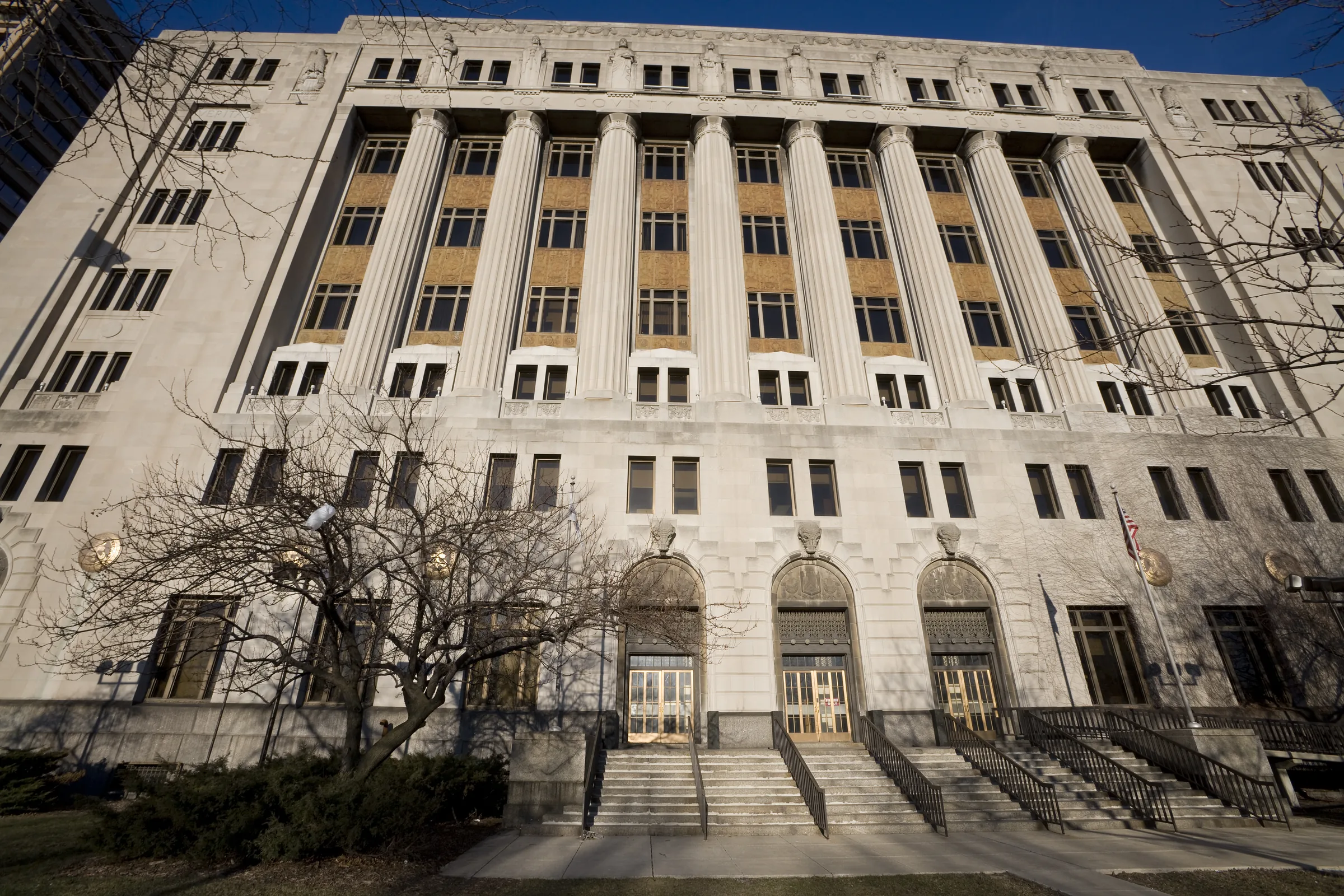
Bedi & Singer represents people in post-conviction proceedings at the Leighton Criminal Court Building at 26th and California, in Cook County’s suburban courthouses, in the collar counties, and in courts across Illinois.
From the bench
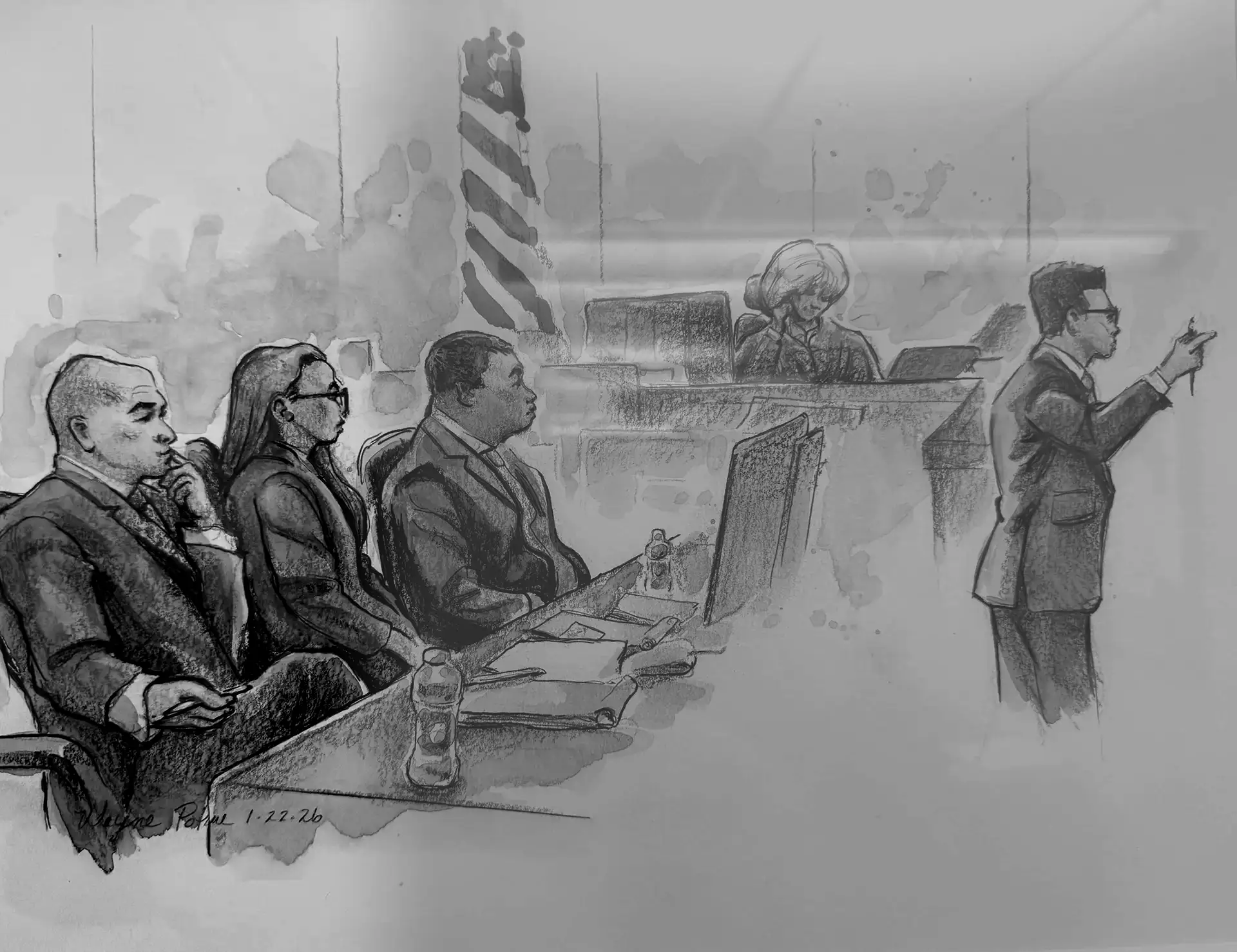
“I’ve had experience with pretty much every criminal lawyer who works in this building and some who don’t. … [Y]ou are not going to get anybody better than these two people. And I know, because I have had experience with them in other cases, that they are going to fight like heck for you.”
From the bench, September 2024
The post-conviction petition
A person in prison on a conviction, or still under its sentence, may file a petition in the court where the conviction was entered claiming a substantial denial of rights under the United States or Illinois Constitution in the case: a lawyer’s constitutionally deficient performance, evidence withheld by the State, a coerced statement, a sentence the Constitution forbids, or actual innocence shown by new evidence. The petition is verified by affidavit and must attach the affidavits, records and other evidence that support it, or explain why they are missing.
The petition moves through three stages. Within 90 days of its filing the court reads it, without a response from the State, and may dismiss it as frivolous or patently without merit. A petition that survives is docketed, counsel is appointed for a person who cannot afford one, and at the second stage the State answers or moves to dismiss and the question is whether the petition makes a substantial showing of a constitutional violation. The third stage is an evidentiary hearing, after which the court may order a new trial, a new sentence, or release. A claim left out of the petition or an amendment to it is waived, and a second petition needs leave of court, generally on a showing of cause and prejudice, which is why the first petition has to be complete. Since July 2026, a person who was under 21 at the offense and claims that the sentence violates the Illinois Constitution’s proportionate penalties clause has to show prejudice but not cause.
The deadline is generally six months after the direct appeal ends, and three years from the conviction where no appeal was taken, unless the delay was not due to the petitioner’s culpable negligence. A claim of actual innocence has no deadline.
Relief from judgment, torture claims, innocence, and clemency
A petition for relief from judgment, filed in the original case generally within two years, reaches a judgment that is void or that rests on facts the court did not know when it ruled; a void judgment can be attacked at any time, and a guilty plea with immigration consequences can be challenged at any time.
The Torture Inquiry and Relief Commission reviews claims, filed by the August 10, 2019 deadline, by people convicted of a felony in Illinois that they were tortured, in Cook County, into a confession that was used to convict them. The Commission screens the claim, can conduct a formal inquiry, and can refer the case to the Chief Judge of the Circuit Court of Cook County for a hearing at which the court can order a new trial or release. Bedi & Singer has represented clients under the Act.
A person who served part of a felony sentence, and whose conviction was reversed or vacated and the charge dismissed, or who was acquitted at a retrial, may petition for a certificate of innocence, generally within two years of the dismissal or acquittal, by proving it more likely than not that they were innocent and did not voluntarily bring the conviction about by their own conduct; the certificate supports a claim for compensation in the Court of Claims and expunges the arrest. Clemency, a pardon or a commutation, is petitioned from the Governor through the Prisoner Review Board, which holds a hearing and makes a confidential recommendation. Resentencing, including the State’s Attorney’s petition to resentence in the interests of justice, is described on the Sentencing Hearings page.
After a reversal: release, retrial, and the plea
When a conviction is reversed and a new trial ordered, the charge is pending again, and the first question is whether the person goes home while it is: pretrial release is decided under the same law as in any pending case, and the ruling can itself be appealed. Bedi & Singer has litigated release pending retrial in Cook County after a life sentence was reversed. The second question is what a retrial would look like years later, and whether a negotiated resolution that ends the custody is the better outcome; that judgment is the client’s. A conviction set aside after police misconduct may also support a civil claim, handled in Bedi & Singer’s civil rights practice.
Both partners lead the defense on every case
Jonathan Bedi and Dena Singer handle Bedi & Singer’s post-conviction cases together. These cases often come from a family after years of waiting, and Bedi & Singer begins with the record: the transcripts, the appellate opinions, the earlier petitions, and what the family knows that the record does not.




Representative matters
-
Release and negotiated time served after a life sentence was vacated, Cook County, 2024
A client convicted in 1982 had his conviction reversed and life sentence vacated. Bedi & Singer became involved in 2022, after the reversal, and filed a motion for the client’s release pending retrial.
The trial court denied release. Another law firm handled the appeal, and the appellate court sent the case back with directions for release on conditions. The client was released. Bedi & Singer negotiated in 2024 a guilty plea for time served, and the client served no further time in custody.
- Cook County, Illinois
- 2024
Prior results do not guarantee a similar outcome.
Frequently asked questions
What is the difference between an appeal and a post-conviction petition in Illinois?
An appeal asks a higher court to review the trial record for legal errors the record shows, within a fixed time after sentencing. A post-conviction petition is filed in the trial court, during or after the appeal or where none was taken, and claims a constitutional violation, usually on facts outside the record: a lawyer’s failures, withheld or new evidence, a coerced confession. It is supported by affidavits and can lead to an evidentiary hearing. A person gets one petition as of right; a second needs leave of court.
Is there a deadline for filing a post-conviction petition in Illinois?
Yes, with exceptions. The petition is generally due six months after the direct appeal ends. If the person did not ask the Illinois Supreme Court to review the appellate court’s decision, the six months run from the last day to ask; otherwise they run from the end of proceedings in the United States Supreme Court or the deadline for seeking them. Where no appeal was taken, the petition is due within three years of the conviction. A late petition can proceed where the delay was not due to the petitioner’s culpable negligence, and a claim of actual innocence has no deadline. The dates of the conviction, the appeal and any earlier petition should be checked before anything is filed.
Can you file a post-conviction petition after pleading guilty in Illinois?
Yes. A guilty plea does not bar a post-conviction petition. The claim can be that the plea was not knowing and voluntary, that the lawyer’s advice fell below the constitutional standard, or that the sentence violates the Constitution, and the Illinois Supreme Court held in 2020 that it can also be actual innocence, on new evidence that clearly and convincingly shows a trial would probably have ended in acquittal. A guilty plea with immigration consequences can be challenged at any time by a petition for relief from judgment.
Contact Bedi & Singer
If you or someone in your family is serving an Illinois sentence and the appeal is over or was never taken, contact Bedi & Singer. The first step is the record, and the deadlines run from dates the family may not know, so the review should begin before anything is filed.