
Federal Health Care Fraud Defense
Defense for physicians, pharmacists, practice owners, and health care executives facing federal health care fraud and kickback investigations and charges, nationwide.
How a health care fraud case begins
Health care fraud investigations often start with a request for documents. Other first signs can include an audit, suspended Medicare or Medicaid payments, a subpoena, a civil investigative demand, or contact from FBI or Department of Health and Human Services Office of Inspector General agents.
Investigators have often spent months on claims data by then, and many cases begin as a sealed False Claims Act whistleblower suit, so a civil case and a criminal investigation can move at the same time.
Bedi & Singer represents physicians, nurse practitioners, pharmacists, practice owners, home health and medical equipment operators, executives, and people responsible for health care management and business operations in federal health care fraud matters nationwide, before and after charges are filed.
From the bench
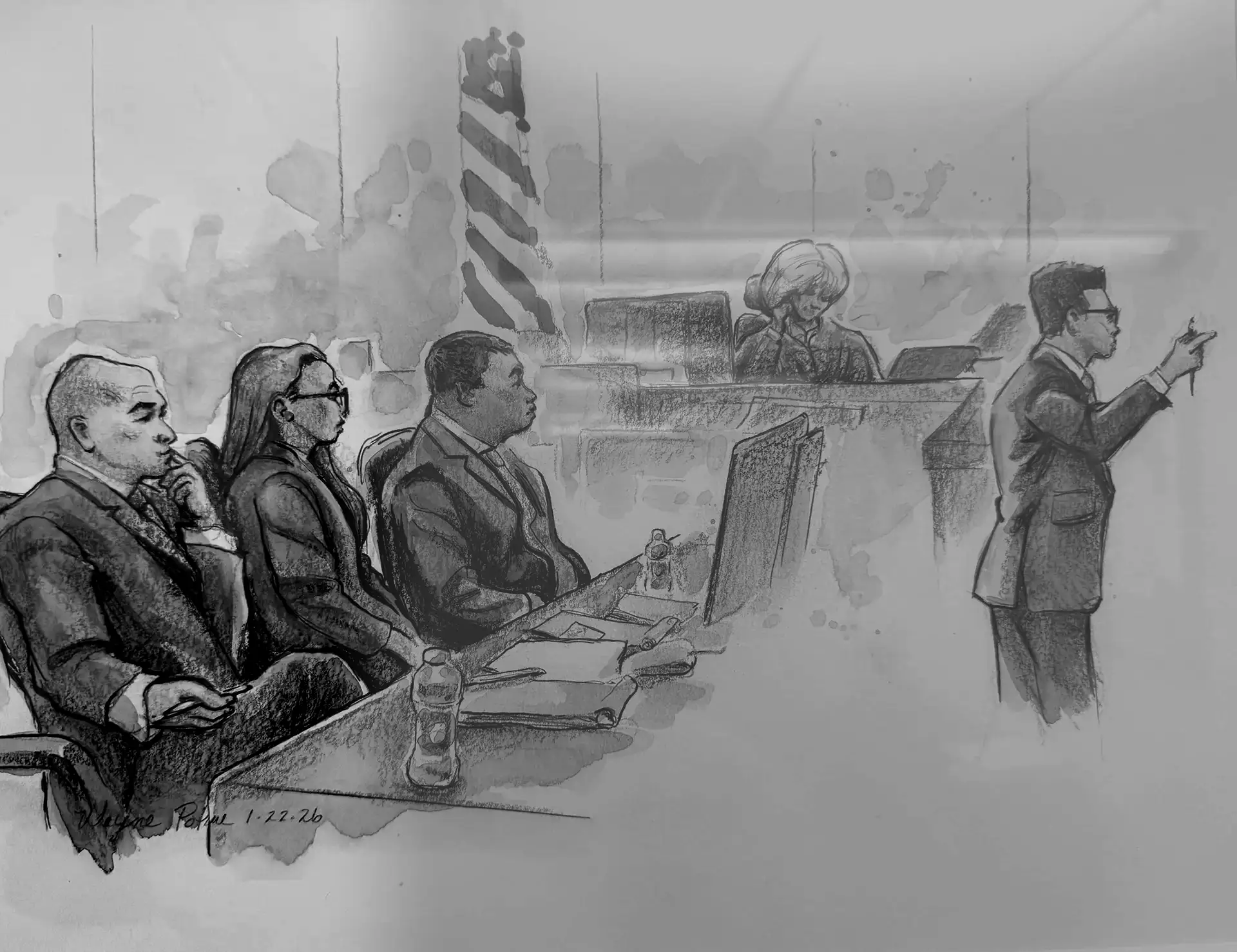
“[A]s unlucky as you are to be in this situation, you hit the jackpot because you got a tremendous lawyer to represent you. And she has the backing of a really good law firm too, that’s her and her partner’s. … [Y]ou got an excellent lawyer and you are very fortunate to have her.”
From the bench, April 2025
When a billing dispute becomes a federal case
Federal health care fraud, 18 U.S.C. § 1347, makes it a crime to knowingly and willfully execute a scheme to defraud any health care benefit program, including Medicare, Medicaid, TRICARE, and private insurers. It is often charged with wire fraud, conspiracy, false statements relating to health care matters (18 U.S.C. § 1035), and Anti-Kickback Statute violations.
The allegations usually concern billing:
- Services not provided or not medically necessary
- Upcoding, unbundling, or misstated dates of service
- False homebound or eligibility certifications
- Payments for patient referrals
- Prescriptions not dispensed or written outside the usual course of practice
- Routine waivers of copayments and deductibles
A coding error, a documentation gap, or a reasonable reading of an unclear rule is not a crime; the government must prove the person acted knowingly and willfully.
Before charges: audits, subpoenas, and agent contact
What to produce, who speaks with investigators, and how to answer a payer audit can shape the case that follows. Someone may need counsel after:
- A grand jury or administrative subpoena for patient and billing records
- A civil investigative demand or suspended payments
- Contact from FBI or HHS-OIG agents
- A search of a practice, pharmacy, or office
- Interviews of employees or billing staff
Early counsel can help determine whether the matter is civil, criminal, or both, manage records production, prepare for or decline interviews, and, when the facts support it, give the government information that may change how it views the case.
What a health care fraud defense may require
The government typically relies on claims data, a statistical sample of patient files, and a cooperating insider. The defense tests each one:
- Were the billing rules at issue clear at the time?
- Do the sampled files support the government’s loss figures?
- Were services medically necessary in the treating clinician’s judgment?
- Did the client know about billing practices set by others?
- Do payments to marketers or referral sources fit a statutory exception or regulatory safe harbor?
- Do cooperating witnesses have reasons to shade their accounts?
This often calls for independent coding, billing, and clinical experts. Loss amount drives sentencing under the federal guidelines, so the numbers matter at every stage.
Both partners lead the defense on every case
Jonathan Bedi and Dena Singer work on Bedi & Singer’s cases together. Clients are told not only what the lawyers are doing but why, including how the case affects patients, staff, payers, and licensing.
Many health care fraud matters end before trial, but Bedi & Singer tests the government’s data, experts, and witnesses from the beginning the way a jury would see them. Both partners have tried many bench and jury trials, and Bedi & Singer has substantial experience defending complex white-collar matters involving financial fraud, wire fraud, and conspiracy.


Representative matters
-
Health care fraud, Northern District of Illinois, 2023
The client was a psychologist charged in a multi-indictment health care fraud scheme. The client owned and operated a foundation providing psychiatric and therapeutic care to individuals in high-risk situations and was charged with submitting false and fraudulent claims to an insurance company. Bedi & Singer began representing the client before charges were filed and continued through sentencing. The client pled guilty and received a sentence below the guideline range.
- U.S. District Court, Northern District of Illinois
- 2023
-
Medicare fraud, Northern District of Illinois, 2020
A client, a home health care nurse practitioner, was charged alongside others with defrauding Medicare by submitting false claims. Bedi & Singer began representing the client after charges were filed and continued through sentencing. The client pled guilty to a reduced charge and received probation.
- U.S. District Court, Northern District of Illinois
- 2020
Prior results do not guarantee a similar outcome.
Frequently asked questions
I received a subpoena for patient records. Should I talk to a lawyer before responding?
Yes. A subpoena for records can come from a grand jury, a federal agency, or a state Medicaid fraud unit, and it may signal a civil investigation, a criminal one, or both. Counsel can find out what the government is looking for, negotiate the scope and timing of the production, protect privileged material, and advise on whether anyone at the practice should speak with investigators. How a grand jury subpoena is answered is covered on the Grand Jury Subpoenas page.
Is a billing mistake health care fraud?
Not by itself. Health care fraud requires proof that a person knowingly and willfully executed a scheme to defraud. Errors, disputed coding judgments, and good-faith readings of unclear rules are not crimes, though they can lead to overpayment demands or civil claims. Where the line falls depends on the evidence in the particular case.
Can a civil False Claims Act case turn into a criminal case?
It can. The Justice Department coordinates civil and criminal health care investigations, and information from a whistleblower complaint or a civil investigative demand may reach criminal prosecutors. Anyone responding to a civil inquiry should do so with the criminal exposure in mind.
Will a health care fraud investigation affect my license or Medicare enrollment?
It can, sometimes before the criminal case ends. The HHS Office of Inspector General can exclude providers from federal health care programs, and state licensing boards can act on the underlying conduct. The defense strategy should account for those consequences from the start.
Contact Bedi & Singer
If you have received a subpoena or civil investigative demand, had payments suspended, been contacted by federal agents, or been charged with health care fraud or a related offense, contact Bedi & Singer to discuss the matter.
The earlier Bedi & Singer understands what the government is examining, the sooner it can begin working to protect the practice, the license, and the client.