Aggravated Battery and Shooting Defense in Illinois
Defense for people charged with aggravated battery, aggravated battery with a firearm, or aggravated discharge of a firearm in Cook County and across Illinois.
How an aggravated battery case begins
Aggravated battery covers a wide range of events: a fight outside a bar, an arrest that turned physical, a domestic dispute, a shooting in which someone was wounded. Illinois charges all of them under one statute, and the facts the State adds decide whether the charge is a Class 3 felony that can carry probation or a Class X felony that cannot.
The evidence is usually gathered before the charge: video, medical records, firearms testing, and statements taken at the scene. The defense starts with that record and with the question the State’s account often skips: what happened first.
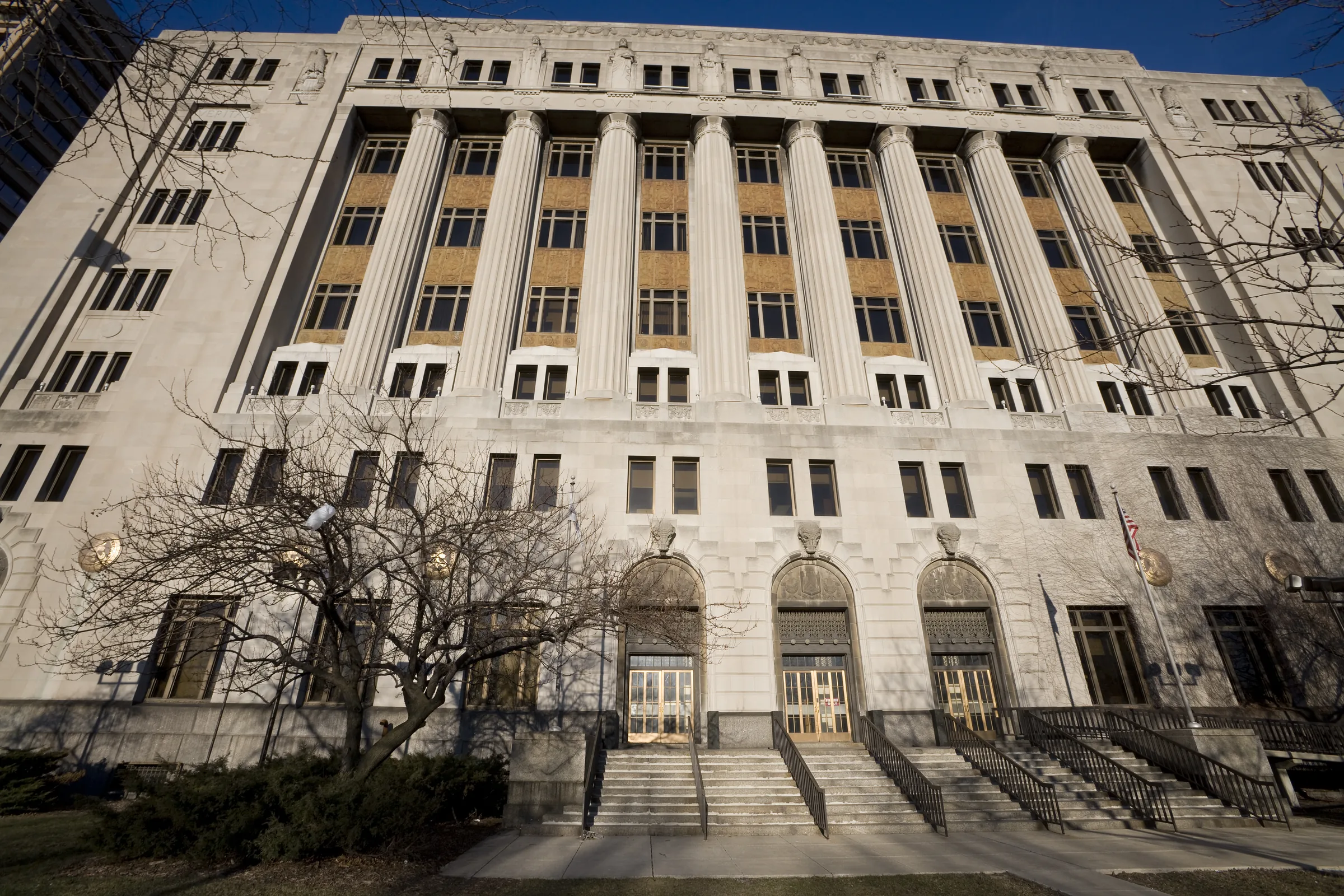
Bedi & Singer defends people charged with aggravated battery and shooting offenses at the Leighton Criminal Court Building at 26th and California, in Cook County’s suburban courthouses, in the collar counties, and in courts across Illinois.
From a client
“Both amazing lawyers! They helped my brother win a super critical case … we are so grateful and so thankful”
Battery, aggravated battery, and the shooting charges
Battery is knowingly causing bodily harm to another person or making physical contact of an insulting or provoking nature, and on its own it is a misdemeanor. It becomes aggravated battery, a felony, when the State adds a fact from a long list in the statute: great bodily harm or permanent disability or disfigurement, a deadly weapon, strangulation, a public place, or the person battered being a police officer, a person 60 or older, a child under 13 harmed by someone 18 or older, or one of the other people the statute protects (720 ILCS 5/12-3.05).
Most aggravated battery is a Class 3 felony, 2 to 5 years, with probation available. Battery of a police officer performing their duties is a Class 2 felony, and great bodily harm to an officer is Class 1. Great bodily harm to a person 60 or older is a Class 2 felony with no probation, and great bodily harm to a child under 13 is a Class X felony. Aggravated battery with a firearm, which is knowingly firing a gun and causing any injury, is a Class X felony: 6 to 30 years with no probation, at least 85 percent served, and 15 to 60 years where the person shot was a police officer.
Aggravated discharge of a firearm does not require an injury. It is firing a gun toward a person, toward a vehicle, or from outside at or into a building, where the shooter knew or should have known the vehicle or building was occupied. It is a Class 1 felony, 4 to 15 years, with probation possible in some cases, and at least 85 percent of a prison sentence must be served (720 ILCS 5/24-1.2). Within 1,000 feet of a school, a college, or a school bus, it is a Class X felony, 6 to 30 years with no probation. Firing toward a police officer during or because of the officer’s official duties makes it a Class X felony with a range of 10 to 45 years. In many shooting cases, the State charges attempted murder alongside these offenses, and which charge the evidence supports is the question at trial.
Detention, discovery, and the first weeks
The State can petition to deny pretrial release on any of these charges on the ground that the person is highly likely to flee to avoid prosecution, and on many of them on the ground that release would pose a real and present threat. The hearing is held at the first appearance, or within 48 hours of it if a continuance is granted, and the State must prove its grounds by clear and convincing evidence. If the court does not order detention, it sets conditions of release, and the case moves to discovery.
Discovery includes the video from every camera the police collected, the medical records, the firearms and gunshot residue reports, and every statement the client made. An arrest made without probable cause, or a statement taken in violation of the client’s rights, can be challenged by a motion to suppress. Where the case began with a police encounter, the body-camera video is examined frame by frame, because a charge of battering an officer often depends on who touched whom first.
Self-defense and the other questions the defense raises
Illinois law allows a person to use force when they reasonably believe it is necessary to defend themselves or someone else from imminent unlawful force, and deadly force only where they reasonably believe it necessary to prevent imminent death or great bodily harm, or a forcible felony. Once the evidence raises self-defense, the State must disprove it, and prove every element of the charge, beyond a reasonable doubt.
The defense also tests:
- Identification, where the shooter or the person who threw the punch is disputed
- Whether the injury meets the legal definition of great bodily harm, which decides the class of the offense
- Whether the client knew the person was a police officer or another protected person, which the State must prove
- Firearms evidence, gunshot residue, and whether the gun recovered is the gun that was fired
Both partners lead the defense on every case
Jonathan Bedi and Dena Singer work on Bedi & Singer’s aggravated battery and shooting cases together.
Bedi & Singer prepares each case as one that may be tried, keeps the client and the people close to them informed about what is happening and why, and makes every decision, including whether to try the case to a judge or a jury, with the client.




Representative matters
-
Aggravated battery to a police officer, Cook County, 2026
Bedi & Singer represented a client charged with aggravated battery to a police officer. The client received misdemeanor probation, with no prison time and no felony conviction.
- Cook County, Illinois
- 2026
Prior results do not guarantee a similar outcome.
Frequently asked questions
What makes a battery “aggravated” in Illinois?
A fact the statute lists on top of the battery itself: great bodily harm or permanent disability or disfigurement, a deadly weapon, strangulation, a public place, or the person battered being a police officer, a person 60 or older, a child under 13 harmed by someone 18 or older, or another protected person. Any one of them turns a misdemeanor battery into a felony and sets the class and the sentencing range.
What is the difference between aggravated battery with a firearm and aggravated discharge of a firearm?
Whether anyone was hit. Aggravated battery with a firearm is firing a gun and injuring another person: a Class X felony, 6 to 30 years, no probation. Aggravated discharge of a firearm is firing a gun toward a person, toward a vehicle, or from outside at a building, where the shooter knew or should have known the vehicle or building was occupied, with no injury required: a Class 1 felony, 4 to 15 years, or Class X near a school. For either, at least 85 percent of a prison sentence must be served.
Can I claim self-defense in an aggravated battery case?
Yes, where the facts support it. Illinois allows force that a person reasonably believes is necessary to defend themselves or another from imminent unlawful force, and deadly force only where they reasonably believe it necessary to prevent imminent death or great bodily harm, or a forcible felony. Self-defense is an affirmative defense: once the evidence raises it, the State must prove beyond a reasonable doubt that the force was not justified.
Contact Bedi & Singer
If you or someone in your family has been arrested or charged with aggravated battery, aggravated battery with a firearm, or aggravated discharge of a firearm, or has been contacted by police about a fight or a shooting, contact Bedi & Singer. The video and the medical records are already in the State’s hands.