
Title IX & Sexual Misconduct Defense
Representation for students and professionals facing Title IX, campus disciplinary, and sexual misconduct investigations, hearings, and appeals.
How a campus misconduct case begins
A college or university sexual misconduct matter can move quickly. A student may receive notice of a complaint, an interim restriction or no-contact directive, a request for an interview, or notice that a disciplinary process has begun. The allegations may concern conduct from months earlier, and the student may be asked to respond before understanding what evidence the school has collected.
The stakes can extend beyond a campus sanction: suspension or expulsion, loss of scholarships or athletic opportunities, damage to professional plans, and reputational harm. In some cases, the same allegations can also attract law-enforcement attention.
Bedi & Singer represents students in Title IX and campus disciplinary matters, including disciplinary hearings and appeals, and represents individuals facing sexual misconduct and harassment allegations in internal investigations.
From the bench
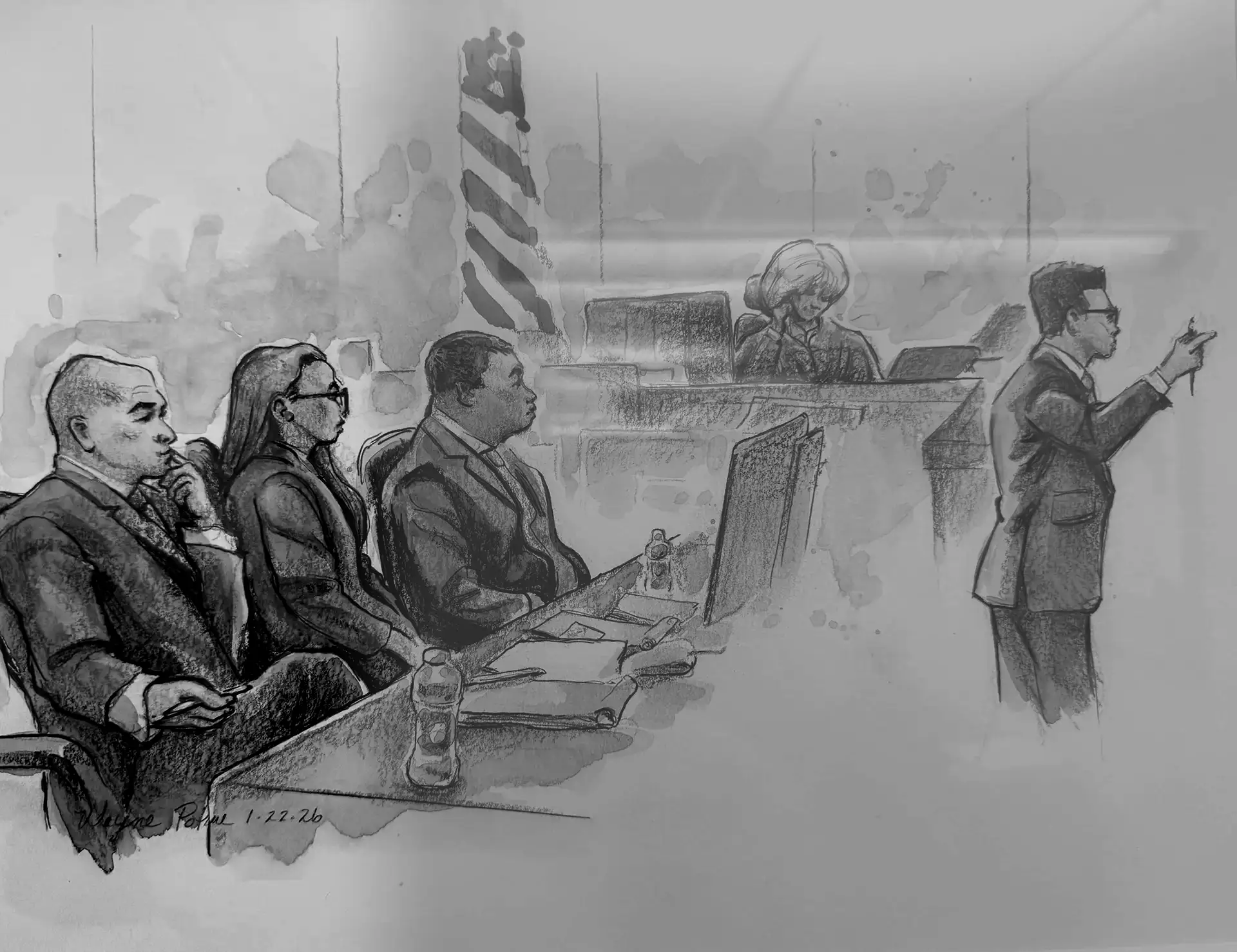
“I’ve had experience with pretty much every criminal lawyer who works in this building and some who don’t. … [Y]ou are not going to get anybody better than these two people. And I know, because I have had experience with them in other cases, that they are going to fight like heck for you.”
From the bench, September 2024
Title IX and campus discipline are related, but not always the same
Title IX prohibits sex discrimination in education programs and activities that receive federal financial assistance. Sexual harassment can fall within Title IX, but a school may also address alleged misconduct under its own student conduct code even when the allegations fall outside the federal Title IX definition or jurisdictional requirements.
The procedures, possible sanctions, evidentiary rules, and appeal rights may depend on which policy the school is using. The first step is often identifying the exact allegation, the governing policy, the procedural stage, and the deadlines already running.
What the current Title IX process can require
Each school also has its own code, procedures, timelines, evidentiary provisions, and appeal rules, and may impose interim or supportive measures while the matter is pending. A campus investigation is not informal just because it is not a criminal case: interviews, written statements, electronic communications, witness accounts, and hearing testimony can shape the outcome.
Building the defense around the evidence and the process
Sexual misconduct cases often turn on disputed accounts, context, credibility, communications, and the sequence of events. The defense may require careful review of messages, social-media records, photographs, location information, witness testimony, prior statements, and the school’s investigative record.
Depending on the stage of the matter, representation can include:
- Preparing for an investigative interview
- Identifying relevant evidence
- Developing questions for witnesses
- Preparing for a hearing
- Evaluating whether the school is following its own procedures, and challenging procedural errors
- Pursuing an appeal
When criminal exposure is possible, the campus strategy should account for that risk. What helps in a university process is not always advisable in a criminal investigation, and coordinating those concerns early can be important.
Both partners lead the defense on every case
Jonathan Bedi and Dena Singer work on Bedi & Singer’s cases together, discussing strategy, evidence, interviews, motions, and other major decisions, with associates contributing where their involvement benefits the client.
Clients are told not only what is happening but why. That can matter when a client is navigating an unfamiliar process while dealing with significant personal and reputational stress.
Outside the campus setting, misconduct allegations may arise through an employer, professional organization, board, school, or other institution. Bedi & Singer has represented athletes, executives, religious leaders, and students in internal investigations involving allegations ranging from financial fraud to sexual harassment.
Both Jonathan Bedi and Dena Singer have successfully defended individuals facing misconduct allegations, helping clients avoid publicity and criminal charges.


Representative matters
-
Sexual misconduct allegations against a physician at a teaching hospital, 2019
Bedi & Singer represented a doctor at a leading teaching hospital against allegations of sexual misconduct at a Title IX hearing conducted at a university. No sanction was imposed.
- University proceeding
- 2019
-
Sexual assault allegation against a student, university proceeding, 2026
Bedi & Singer successfully defended a student against a sexual assault allegation. No sanction was imposed.
- University proceeding
- 2026
-
Physical violence allegations against a student, university proceeding, 2020
Bedi & Singer successfully defended a student against physical violence allegations. The proceeding ended with a finding of no responsibility.
- University proceeding
- 2020
Prior results do not guarantee a similar outcome.
Frequently asked questions
Do I need a lawyer for a university Title IX investigation?
A school process is different from a criminal prosecution, but the consequences can still be substantial. A lawyer can help the student understand the allegations, the school’s procedures, the evidence, the hearing process, and any overlap with a criminal investigation. In a formal Title IX sexual-harassment grievance process, a student may bring an advisor of choice, who can be a lawyer, to related meetings and hearings. Illinois law also provides an advisor of choice in covered campus sexual-misconduct proceedings. The advisor’s role depends on applicable law and the school’s rules.
What if the school says the allegation is outside Title IX?
The matter may still proceed under a student conduct code or another institutional policy. The applicable procedures and potential sanctions can therefore remain important even if the school determines that the federal Title IX grievance process does not apply.
Can a campus sexual misconduct case also become a criminal case?
Yes. Some allegations may be investigated by law enforcement as well as the school. The two processes are separate, and decisions about interviews, statements, evidence, and strategy should be made with both possibilities in mind.
Contact Bedi & Singer
If you have received notice of a Title IX complaint, campus disciplinary proceeding, sexual misconduct investigation, hearing, or appeal, contact Bedi & Singer.
Early involvement allows Bedi & Singer to identify the governing process, understand the evidence and deadlines, and begin developing a strategy before important decisions are made without the benefit of counsel.