
Federal Money Laundering Defense
Defense for individuals facing federal money laundering and money-laundering conspiracy investigations, asset seizures, and charges, nationwide.
How a money laundering case begins
Money laundering charges often appear alongside another federal accusation. A fraud investigation may expand to include transfers among bank accounts, or prosecutors may allege that proceeds were moved through a business, shell company, cryptocurrency wallet, or another person’s account. Funds may be seized or frozen while investigators trace where money came from and where it went.
Moving money is not automatically money laundering. Federal statutes require the government to prove specific facts about the source of the property, the transaction, and the defendant’s knowledge or intent.
Bedi & Singer represents individuals in federal white-collar investigations and prosecutions involving financial fraud, conspiracy, and money-laundering allegations.
From the bench
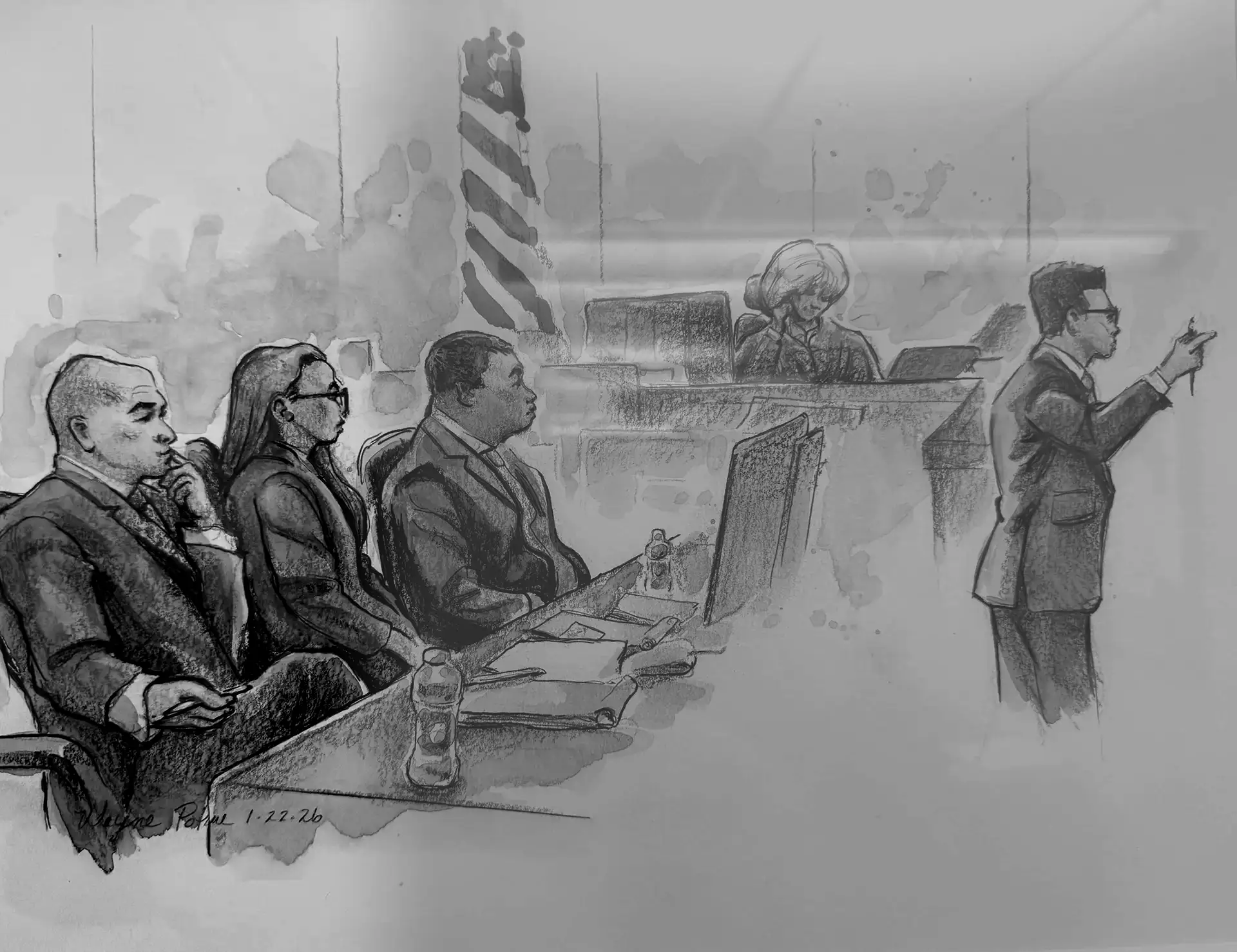
“I’ve had experience with pretty much every criminal lawyer who works in this building and some who don’t. … [Y]ou are not going to get anybody better than these two people. And I know, because I have had experience with them in other cases, that they are going to fight like heck for you.”
From the bench, September 2024
Money laundering is more than moving money
Under 18 U.S.C. § 1956, prosecutors may allege that a person knowingly conducted a financial transaction involving the proceeds of specified unlawful activity. The charge requires either an intent to promote further crime or evade taxes, or knowledge that the transaction was designed to conceal or disguise the proceeds or to avoid a reporting requirement. The statute also addresses specified international transfers and undercover transactions. A related statute, 18 U.S.C. § 1957, prohibits certain monetary transactions involving more than $10,000 in criminally derived property.
A bank transfer, cash withdrawal, purchase, or payment can be perfectly lawful. The government must connect the transaction to criminally derived property or another statutory theory and prove the knowledge or intent required for the offense charged.
Money laundering charges often depend on the underlying offense
Money laundering is frequently charged with an alleged underlying offense, sometimes called specified unlawful activity. That may include wire or mail fraud, health care fraud, bribery, public corruption, drug offenses, certain environmental crimes, FCPA violations, and many other federal offenses.
The defense may need to examine both whether the underlying crime occurred and whether the later transaction meets the separate elements of a money-laundering offense. That matters when prosecutors treat ordinary spending, transfers among related accounts, repayment of obligations, or movement of business funds as evidence of concealment or promotion.
Financial records can tell more than one story
Bank records, wire transfers, checks, corporate records, accounting entries, cryptocurrency transactions, text messages, emails, and account-opening documents may all be used to reconstruct the movement of funds. Investigators may also rely on cooperating witnesses to explain why transactions occurred. The defense may turn on questions like these:
- Was the property actually derived from unlawful activity?
- What did the client know about the source of the funds?
- Was a transaction designed to conceal ownership, source, location, or control?
- Did the transaction have a legitimate business or personal purpose?
- Did the client act at another person’s direction without the knowledge the government alleges?
- Have the financial records been interpreted accurately?
- Can statements, searches, seizures, or electronic evidence be challenged?
Asset seizure and the criminal case can develop together
The government may seek to restrain or seize funds or property it contends are criminal proceeds, involved in laundering, or otherwise subject to forfeiture. That can create immediate practical pressure before guilt has been determined.
Early representation can help counsel identify what the government is tracing, which accounts or transactions are at issue, how the alleged proceeds connect to the underlying offense, and what evidence may support the client’s explanation.
Both partners lead the defense on every case
Bedi & Singer’s lawyers have experience defending complex white-collar matters involving financial fraud, mail and wire fraud, conspiracy, and money laundering.
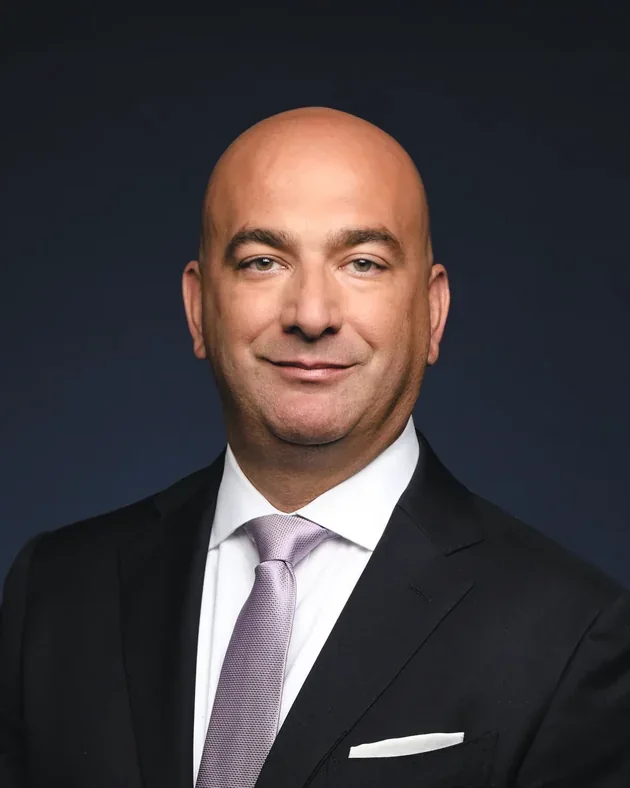
Jonathan Bedi and Dena Singer work together on Bedi & Singer’s matters, with associates contributing where appropriate. Both partners evaluate the financial evidence, witness issues, motion practice, plea considerations, and trial strategy.


Representative matters
-
Wire fraud and money laundering, Eastern District of Oklahoma, 2025
A client was charged with wire fraud and money laundering. The client pled guilty and received a sentence of 30 days in custody, below the guideline range.
- U.S. District Court, Eastern District of Oklahoma
- 2025
Prior results do not guarantee a similar outcome.
Frequently asked questions
Is moving money after a crime automatically money laundering?
Not necessarily. The government must prove the elements of the specific money-laundering statute charged. Depending on the provision, that may include proof concerning criminal proceeds, knowledge, the purpose or design of the transaction, or the value and nature of the property involved.
Can money laundering be charged even if I am not charged with committing the underlying crime?
Potentially. The answer depends on the statute and the facts. Money-laundering liability can turn on knowledge that property represented proceeds of some form of unlawful activity and on the purpose or nature of the transaction. The government’s theory must be evaluated charge by charge.
What should I do if federal agents ask about bank accounts or transfers?
You can consult defense counsel before deciding whether or how to respond. Counsel can help identify what transactions investigators appear to be examining, preserve relevant records, and advise you about an interview, subpoena, search warrant, or other investigative request.
Contact Bedi & Singer
If you have received a subpoena, learned that federal agents are tracing accounts or transactions, had funds seized, or been charged with money laundering, money-laundering conspiracy, or a related financial offense, contact Bedi & Singer.
The earlier Bedi & Singer can understand the alleged source of the funds, the transactions at issue, and the government’s theory of your role, the sooner it can begin evaluating the evidence and possible defenses.