Murder Defense in Chicago and Across Illinois
Defense for people charged with first degree murder and other homicide charges in Cook County and across Illinois, from the detention hearing through trial.
How a murder case begins
A murder case in Illinois usually begins with an arrest, and the first court date comes within days. Since Illinois ended cash bail in September 2023, the question at that hearing is not the amount of a bond but whether the person will be held until trial. First degree murder is one of the charges on which the State can ask for detention, and it has to prove its case for detention by clear and convincing evidence.
The evidence is often in place before the charge: statements to police, witness identifications, surveillance video, phone records, forensic testing. How the defense answers each of those, and whether the arrest and the statements survive a motion to suppress, can decide the case before a jury hears it.
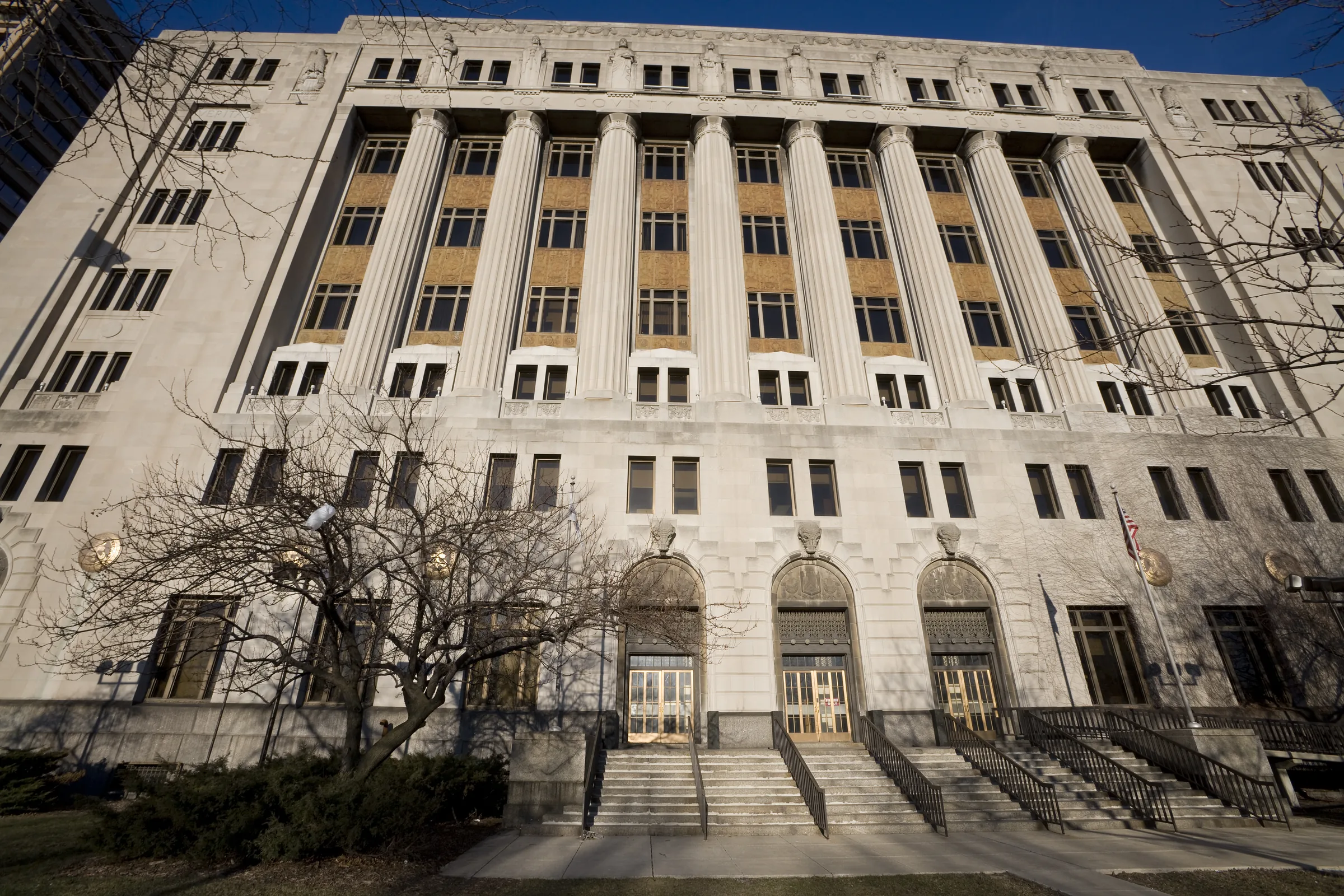
Bedi & Singer defends people charged with murder at the Leighton Criminal Court Building at 26th and California, in Cook County’s suburban courthouses, in the collar counties, and in courts across Illinois.
From a client
“Today we cried for joy for the first time in a long time. … They saved my brother’s life.”
First degree murder, second degree murder, and the charges in between
Illinois law defines first degree murder as a killing without lawful justification where the person intended to kill or do great bodily harm, knew the acts would cause death, or knew they created a strong probability of death or great bodily harm. It also reaches a death caused during a forcible felony such as armed robbery, during an attempt at one, or during the flight from it, whether the person or another participant caused it (720 ILCS 5/9-1).
Second degree murder is a killing that would otherwise be first degree murder, committed under one of two mitigating circumstances: a sudden and intense passion caused by serious provocation, or an honest but unreasonable belief that the killing was justified, as in self-defense (720 ILCS 5/9-2). It does not apply to a death caused during a forcible felony. The State still has to prove first degree murder beyond a reasonable doubt; the defense then has to show the mitigating circumstance is more likely than not. A killing caused by reckless conduct, without the intent or knowledge murder requires, is involuntary manslaughter (720 ILCS 5/9-3), and a judge or jury can find a person guilty of it on a murder charge where the evidence supports it.
First degree murder carries 20 to 60 years, with no sentence credit and no probation. Where the State proves a firearm, years are added: 15 for being armed with one, 20 for personally firing it, and 25 years to natural life where that shot caused great bodily harm, permanent disability, permanent disfigurement, or death. For a person under 18 at the time of the offense, the court may decline to add those years. An extended term or natural life applies in other defined circumstances. Someone who was under 21 at the time of the offense is eligible for parole review after 20 years, or after 40 years in some cases. Second degree murder is a Class 1 felony with a far shorter range. Much of a murder defense is fought over which charge the evidence actually supports.
The first weeks: detention, discovery, and the statements
The detention hearing is held at the first appearance, or within 48 hours of it if the court grants either side a continuance. The State must show that the proof is evident or the presumption great, that release would pose a real and present threat, and that no conditions could answer that threat. The State can also seek detention on the ground that the person is highly likely to flee to avoid prosecution. Bedi & Singer prepare for that hearing as for a trial: the facts of the case, the person’s history, and the conditions that could answer the State’s claims.
Discovery follows: police reports, body-camera and surveillance video, the autopsy and forensic reports, phone and location records, and every statement the client made. An arrest made without probable cause, or a statement taken in violation of the client’s rights, can be challenged by a motion to quash arrest and suppress evidence or a motion to suppress statements. Winning one can take the State’s best evidence out of the case.
What a murder defense may require
The State’s case usually rests on a few pieces of evidence, and the defense tests each one:
- Identification: lineups, show-ups, lighting, distance, and what each witness actually saw
- The medical evidence: the cause and manner of death and the pathologist’s findings
- Firearms evidence, gunshot residue, DNA, cell-site data, and the timeline the video supports
- The accounts of cooperating witnesses and the reasons they may have to shade them
- Self-defense and defense of others, and the facts that reduce first degree murder to second degree
This often calls for independent experts: a pathologist, a firearms examiner, a digital forensics analyst. Some murder cases are tried to a judge and some to a jury; which is right depends on the evidence and the courtroom, and the client makes that decision with the lawyers.
Both partners lead the defense on every case
Jonathan Bedi and Dena Singer work on Bedi & Singer’s murder cases together; Bedi and Singer try every murder trial together.
A murder charge reaches a whole family. Bedi & Singer keeps the client, and the people close to them, informed about what is happening and why, from the detention hearing onward. Every decision, including whether to try the case to a judge or a jury, is made with the client.




Representative matters
-
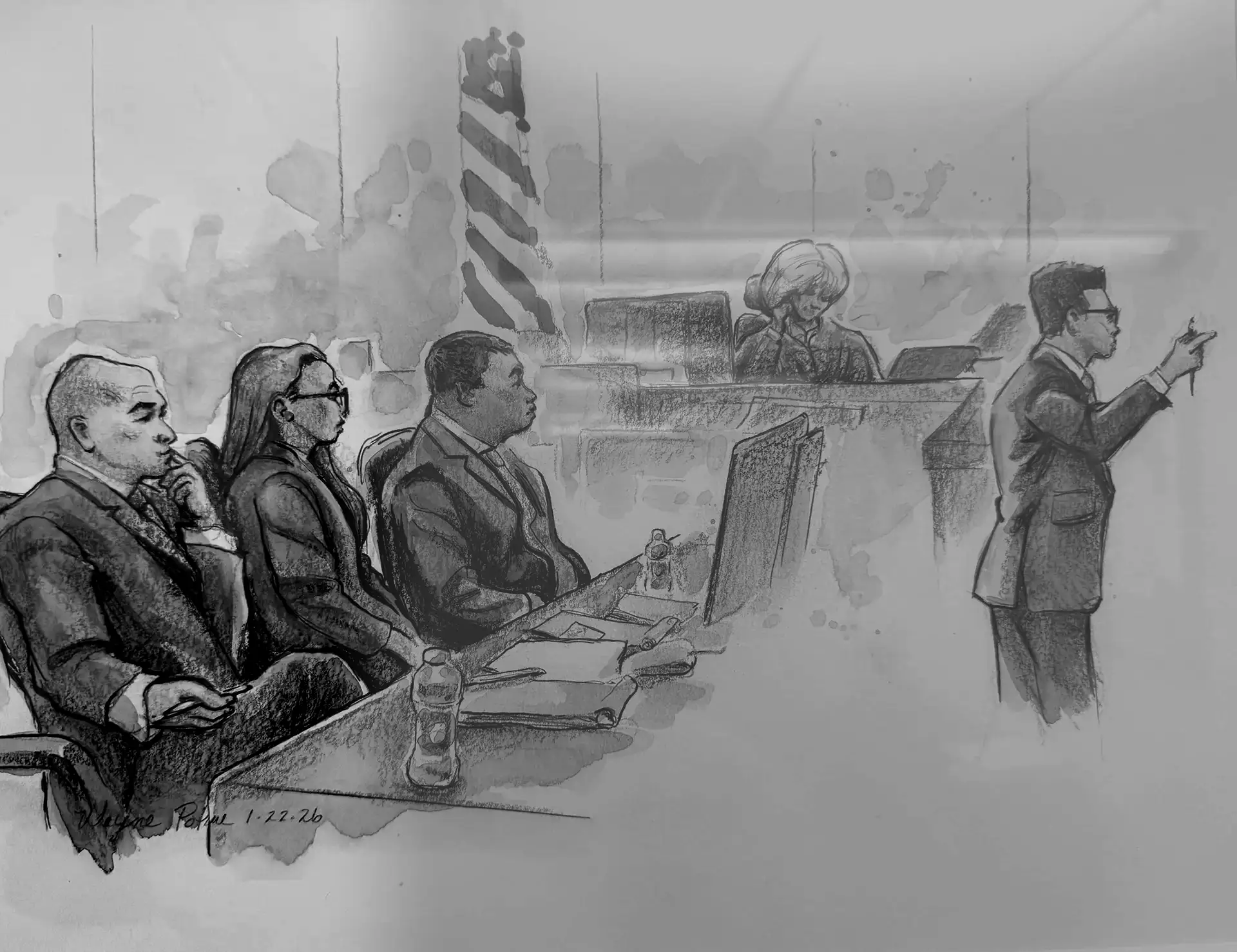
First degree murder of an abusive former partner, Cook County bench trial, 2026
Charged with first degree murder in the death of an abusive former partner. The client was found not guilty of all charges.
- Cook County, Illinois
- Bench trial
- 2026
-
First degree and attempted murder, Cook County jury trial, 2024
After a jury trial, the client was found not guilty of first degree murder and attempted first degree murder. The jury found the client guilty of second degree murder.
- Cook County, Illinois
- Jury trial
- 2024
-
First degree murder, Cook County bench trial, 2022
A client charged with first degree murder was found guilty of involuntary manslaughter after a bench trial.
- Cook County, Illinois
- Bench trial
- 2022
-
First degree murder, motion to quash arrest and suppress evidence, Cook County, 2023
Bedi & Singer represented a client charged with murder. The motion to quash arrest and suppress evidence was granted, and the charges were dismissed.
- Cook County, Illinois
- 2023
-
First degree murder and attempted murder, Kankakee County jury trial, 2026
The client was found not guilty of first degree murder, attempted murder, and aggravated battery. The client was found guilty of second degree murder.
- Kankakee County, Illinois
- Eight-day jury trial
- 2026
-
First degree murder, Cook County trial, 2025
The client was found not guilty of first degree murder after a five-day trial.
- Cook County, Illinois
- Five-day trial
- 2025
-
First degree murder, Cook County, 2026
The client was found not guilty of first degree murder.
- Cook County, Illinois
- 2026
-
First degree murder resolved as aggravated discharge, Cook County, 2022
The client was charged with first degree murder. Bedi & Singer successfully negotiated a disposition of aggravated discharge of a firearm, and the client was released with time served.
- Cook County, Illinois
- 2022
Prior results do not guarantee a similar outcome.
Frequently asked questions
What is the difference between first degree and second degree murder in Illinois?
First degree murder is an intentional or knowing killing, or a death caused during a forcible felony. Second degree murder is an intentional or knowing killing committed in a sudden and intense passion caused by serious provocation, or in an honest but unreasonable belief that it was justified, as in self-defense. The defense has to show that circumstance is more likely than not. The difference is large. First degree murder carries 20 to 60 years with no sentence credit, and more where a firearm was involved; second degree murder is a Class 1 felony with a much shorter range.
Will I be held in jail until trial on a murder charge?
Possibly. Illinois no longer has cash bail. On a first degree murder charge the State can petition to deny pretrial release, and the court decides at a hearing held at the first appearance, or within 48 hours of it if a continuance is granted. The State must prove its grounds by clear and convincing evidence, and the defense can contest each one and propose conditions instead.
Should I talk to the police if they want to ask me about a death?
Not without a lawyer. Anything said to the police is evidence, and an account that seems harmless can be read differently once the State has chosen its theory. Asking for a lawyer is not an admission of anything. A lawyer can find out what the police are investigating and advise on whether, when, and how to respond.
Contact Bedi & Singer
If you or someone in your family has been arrested or charged with murder, or has been contacted by police about a death, contact Bedi & Singer. The detention hearing comes within days, and the decisions made in the first week shape the case.