PPP, EIDL & CARES Act Loan Fraud Defense
Defense for business owners, executives, and others facing federal PPP and EIDL loan fraud investigations and charges, nationwide.
How a pandemic loan case begins
Many Paycheck Protection Program and Economic Injury Disaster Loan cases surface years after the money was received: a lender asks for documents, the Small Business Administration reviews a forgiveness application, agents call about a 2020 or 2021 loan, or a grand jury subpoena arrives for bank records, payroll filings, or tax returns.
In 2022, Congress extended the statute of limitations for PPP and EIDL fraud to ten years. By the time a borrower hears from the government, investigators may have checked the application against tax, payroll, and bank records and spoken with the lender or preparer.
Bedi & Singer represents business owners, executives, and others in federal investigations and prosecutions involving PPP loans, EIDL loans, and other CARES Act programs, nationwide and before and after charges are filed.
From a client
“Mr Bedi and his team are the only people call when facing any legal issues! Amazing people helped me at a time of uncertainty and will fight hard for you! Thank you Mr Bedi forever grateful!”
What the government alleges in PPP and EIDL cases
Pandemic loan cases usually turn on what an application said and how the money was used. Common allegations include:
- Overstating payroll, headcount, or revenue
- Applying for a business that was not operating
- Submitting false tax forms or payroll records
- Obtaining loans the business was not eligible to receive
- False certifications about eligibility, ownership, or criminal history
- Spending proceeds on personal expenses rather than permitted business costs
Prosecutors typically charge bank fraud (18 U.S.C. § 1344), false statements to a lender (18 U.S.C. § 1014), wire fraud, and false statements to a federal agency. Bank fraud and false statements to a lender each carry up to 30 years in prison. When another person’s identity is involved, aggravated identity theft (18 U.S.C. § 1028A) carries a mandatory two-year sentence that runs consecutively. Money laundering charges can follow the movement of loan proceeds.
The investigation may begin with a lender or the SBA
Someone may need counsel after:
- A lender or the SBA requests loan documents
- Loan forgiveness is denied or placed under review
- A grand jury subpoena or target letter arrives
- FBI, SBA-OIG, IRS, or Secret Service agents make contact
- An accountant, preparer, or employee is interviewed
Early counsel can help determine whether the matter is a civil repayment issue, a False Claims Act case, or a criminal investigation, and guide decisions about repayment, documents, and interviews. Repaying a loan does not by itself end criminal exposure, but how and when it happens can matter.
What a loan fraud defense may require
The PPP was built in a matter of days, and SBA and Treasury Department guidance on basic questions, such as how self-employed borrowers should calculate payroll, changed throughout 2020 and 2021. Many applications went through lenders, accountants, and loan agents, some paid based on the loan, and a borrower may not have known what a preparer put on the form.
Fraud requires intent. A mistaken calculation, reliance on a preparer, or a reasonable reading of guidance that later changed is not a scheme to defraud. The defense may ask:
- What did the rules and guidance require on the date the application was submitted?
- Who prepared the application, and what did the client review?
- Do other records support the payroll and revenue figures?
- How were the loan proceeds actually spent?
- Does the government’s loss figure account for repayment, forgiveness, and legitimate expenses?
- Can statements to agents or lenders be challenged?
Loss amount drives sentencing, and restitution and forfeiture are central to how these cases resolve. Bedi & Singer evaluates those numbers from the start while preparing the case as though it will be tried.
Both partners lead the defense on every case
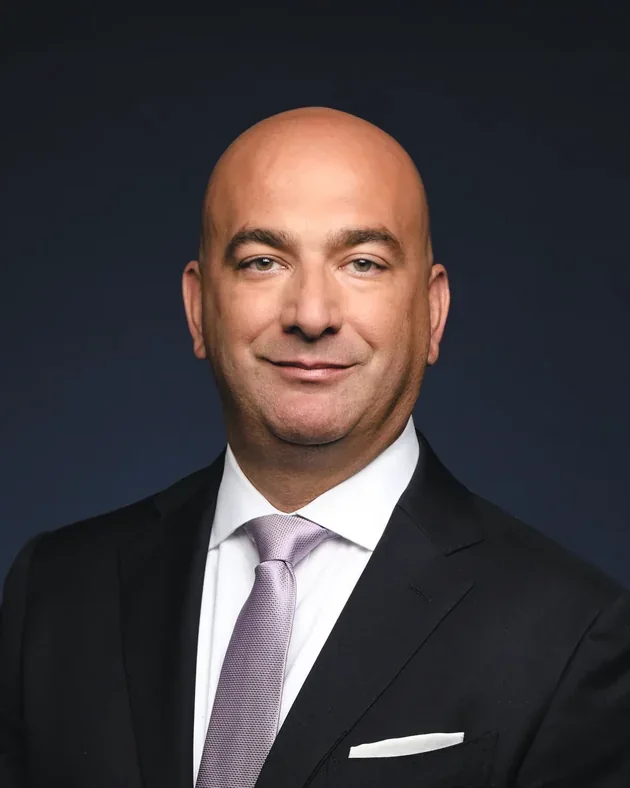
Jonathan Bedi and Dena Singer work on Bedi & Singer’s cases together, drawing on associates where it helps the defense. Clients are told not only what the lawyers are doing but why.
Jonathan Bedi has defended federal prosecutions involving wire fraud, mail fraud, mortgage fraud, and bribery. Dena Singer has substantial experience defending complex white-collar matters involving financial fraud, wire fraud, and conspiracy.


Representative matters
-
PPP and SBA loan fraud, Northern District of Illinois, 2023
A client was charged in federal court with PPP and SBA fraud. Bedi & Singer began representing the client after charges were filed and continued through sentencing. The client pled guilty.
- U.S. District Court, Northern District of Illinois
- 2023
-
PPP loan investigations
Bedi & Singer has represented individuals who received target letters or contact from investigators regarding PPP loan applications. These matters involve federal and state investigations. No charges have been filed in these matters to date, but the investigations remain open.
Prior results do not guarantee a similar outcome.
Frequently asked questions
Can I still be charged over a PPP loan I received in 2020?
Yes. In 2022, Congress extended the statute of limitations for PPP and EIDL fraud to ten years, so loans made in 2020 and 2021 can be investigated and charged into the early 2030s.
If I pay the loan back, does the investigation go away?
Not necessarily. Repayment does not undo a false statement that was already made, and the government can still pursue civil or criminal remedies. Repayment can matter, though, to how the government views the case and to any loss or restitution figure. Decisions about repayment should be made with counsel.
Is an error on my loan application a crime?
Not by itself. Fraud requires proof of intent. Mistakes, a preparer’s errors the borrower did not know about, and reasonable readings of guidance that changed during the program are not crimes, though they may still lead to repayment demands. The evidence in the specific case determines where the line falls.
Contact Bedi & Singer
If a lender, the SBA, or federal agents have asked about a PPP or EIDL loan, or you have received a subpoena or target letter or been charged, contact Bedi & Singer to discuss the matter.
The earlier Bedi & Singer understands what the government is examining, the sooner it can begin evaluating the loan file, the records behind it, and the decisions that may come next.