
Cryptocurrency & Digital Asset Defense
Cryptocurrency can become evidence in federal fraud, money-laundering, investment, and financial-crime investigations.
How a digital asset investigation begins
A digital asset investigation can begin with something that seems far removed from a criminal charge: agents ask about a wallet, an exchange account is subpoenaed, a phone or computer is seized, or a business owner learns that transactions are being traced. Sometimes the first notice is a grand jury subpoena, search warrant, target letter, or indictment.
Cryptocurrency can change the evidence in a federal case, but the core questions stay the same: what happened, who was responsible, what the person knew, and what the government can prove about intent.
Bedi & Singer represents individuals in complex federal investigations and prosecutions involving financial fraud, wire fraud, and conspiracy, including cryptocurrency and digital asset matters.

From a client
“They are both incredibly effective attorneys, I was pleased with their quick response to my needs and emails.”
Cryptocurrency can become part of many different federal investigations
There is no single federal offense called “cryptocurrency fraud.” Depending on the conduct alleged, a matter involving Bitcoin, Ether, a stablecoin, or another token can involve wire fraud, money laundering, theft or misappropriation, tax offenses, unlicensed money transmission, sanctions issues, investment fraud, or conspiracy. The presence of cryptocurrency does not itself establish criminal conduct.
As in other fraud cases, an unsuccessful investment or failed business venture is not by itself proof of criminal fraud.
When the government starts tracing digital assets
Investigators may combine public blockchain data with exchange and bank records, devices, messages, IP information, and witness testimony to trace assets through multiple wallets to identifiable people. A blockchain address that does not display a name is not necessarily anonymous.
But tracing an asset and proving a crime are different things. In concealment money-laundering cases, the government alleges that transactions were designed to conceal or disguise the nature, location, source, ownership, or control of criminal proceeds. Funds moving through several addresses may look suspicious and still have a legitimate business or operational explanation.
The defense may turn on questions like these:
- Who actually controlled the wallet or account?
- Where did the funds originate, and why did they move?
- What communications accompanied the transaction?
- Was the client acting for someone else?
- What representations were made to investors or customers, and were they false?
- How were investor or customer funds actually used?
Responding before charges are filed
A person does not have to wait for an indictment to involve defense counsel. Bedi & Singer represents targets, subjects, and witnesses in federal investigations and advises clients responding to subpoenas. In a digital asset matter, investigators may already hold large quantities of electronic and transactional evidence before contacting the person under investigation.
Early work may include learning what the government is investigating, preserving records, evaluating who controlled accounts or wallets, and advising the client before anyone responds to agents.
Both partners lead the defense on every case
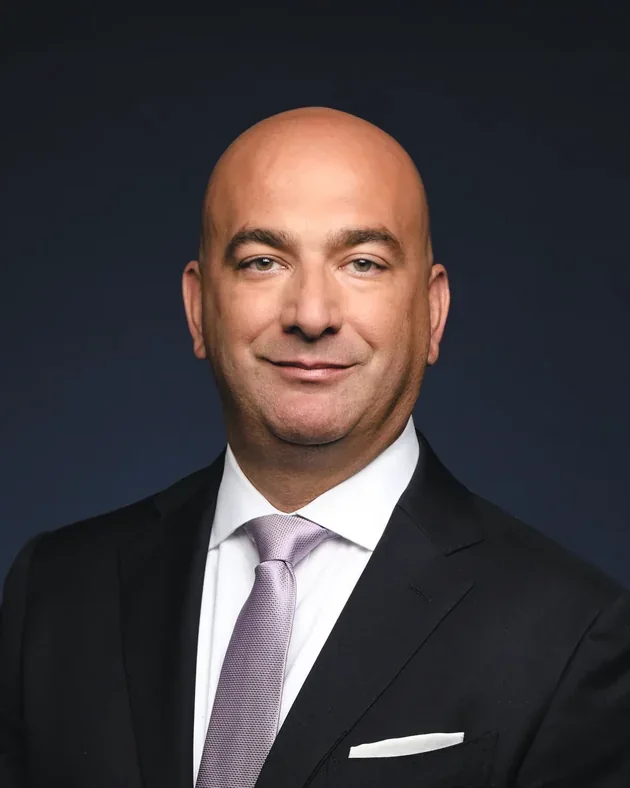
Jonathan Bedi and Dena Singer both participate in Bedi & Singer’s cases rather than assigning a new client to another lawyer. Strategy, investigation, motion practice, negotiations, and trial preparation are shared decisions focused on what best serves the client.
Jonathan Bedi handles federal prosecutions from investigation through trial and appeal and has represented clients in matters involving wire and mail fraud, financial misconduct, bribery, public corruption, obstruction, and racketeering. Dena Singer has substantial experience defending complex white-collar cases involving financial fraud, mail fraud, wire fraud, and conspiracy. The same bodies of criminal law apply when the transactions involve cryptocurrency.



Frequently asked questions
Federal agents asked me about cryptocurrency transactions. Should I speak with them?
You can consult counsel before deciding whether or how to respond. Investigators may already have transaction records or other evidence and may be seeking statements that help them interpret those records. Understanding the nature of the investigation before an interview can be important.
Can the government identify someone from a cryptocurrency wallet?
Sometimes. Public blockchain information can be combined with exchange records, bank information, electronic evidence, communications, and other investigative tools in an effort to connect transactions or wallet addresses with individuals.
Does moving cryptocurrency through multiple wallets mean money laundering occurred?
No. Transaction patterns are evidence that must be considered in context. A money-laundering prosecution requires proof of the statutory elements of the charged offense, including the required knowledge or intent. The reason for the transactions, the source of the assets, the client’s role, and surrounding communications may all matter.
Contact Bedi & Singer
If federal agents have contacted you, you have received a subpoena or target letter, a search warrant has been executed, assets have been seized, or you have learned that cryptocurrency transactions are part of a federal investigation, contact Bedi & Singer.
Bedi & Singer can begin evaluating the investigation, the government’s theory, and the evidence before deciding how best to respond.