
Criminal Antitrust Defense
Defense for executives, sales professionals, contractors, and business owners facing federal price-fixing, bid-rigging, and other criminal antitrust investigations and charges.
How an antitrust investigation begins
A criminal antitrust investigation can begin with a grand jury subpoena, contact from the FBI or the Department of Justice Antitrust Division, a search warrant, an internal company inquiry, or a request to speak with investigators. For an executive, sales professional, contractor, or business owner, what once looked like ordinary contact with competitors can suddenly be examined as evidence of an unlawful agreement.
Federal prosecutors may scrutinize bids, pricing decisions, customer assignments, territories, messages, meeting notes, trade-association contacts, and cooperating-witness testimony to determine whether competitors agreed not to compete.
Bedi & Singer represents individuals in complex federal criminal investigations and prosecutions, and its white-collar practice includes criminal antitrust matters.
From the bench
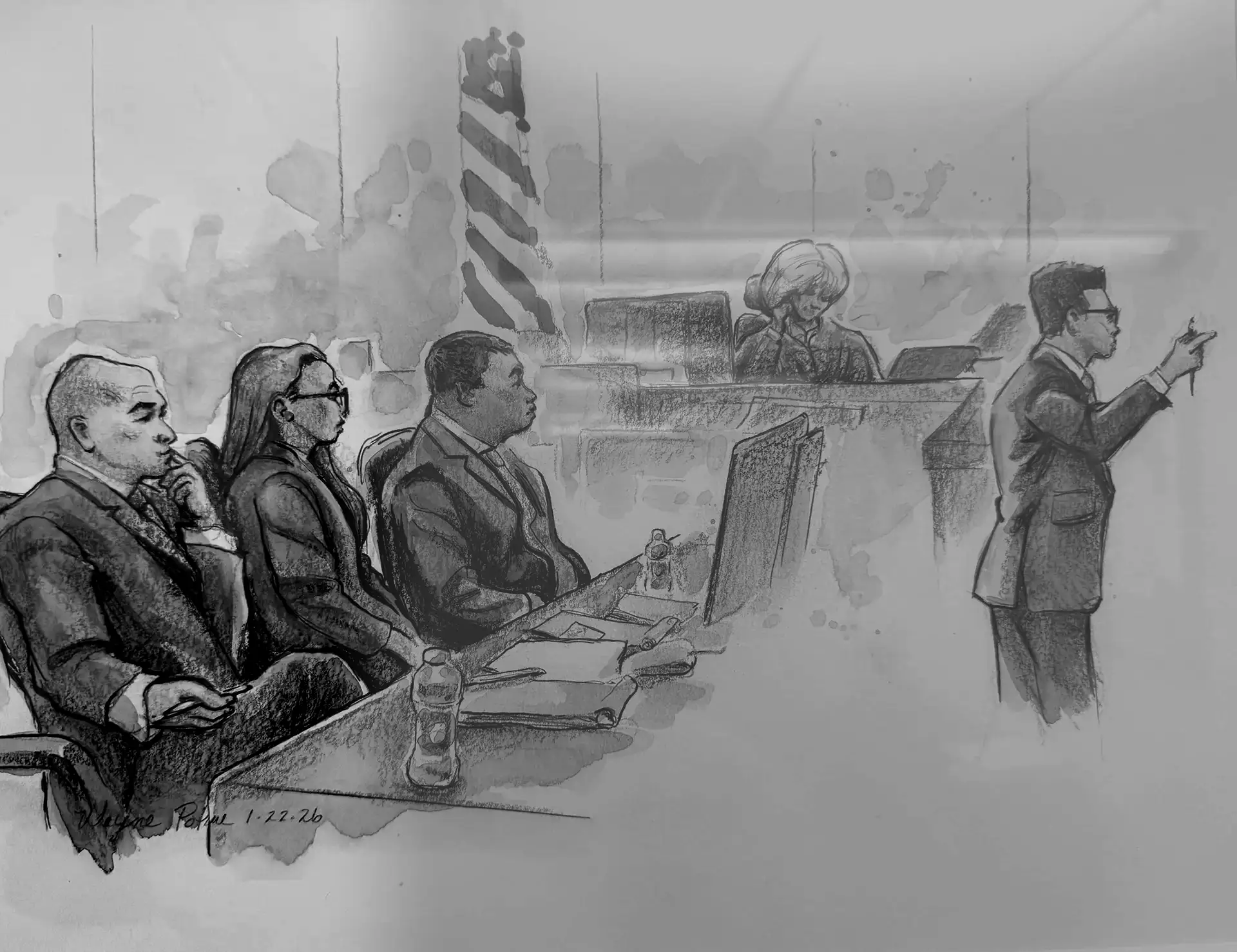
“I’ve had experience with pretty much every criminal lawyer who works in this building and some who don’t. … [Y]ou are not going to get anybody better than these two people. And I know, because I have had experience with them in other cases, that they are going to fight like heck for you.”
From the bench, September 2024
When competition issues become criminal
The Sherman Act makes certain agreements in restraint of trade criminal offenses. The Department of Justice’s criminal program focuses heavily on price fixing, bid rigging, and agreements among competitors to divide customers, workers, territories, or markets.
A criminal case is not simply about whether competitors communicated or prices moved together. The government must prove the charged agreement and the defendant’s knowing participation in it. Competitors may have legitimate reasons to deal with one another through trade groups, joint ventures, supplier relationships, and industry events.
An individual’s defense often depends on separating that person’s conduct from what others did and said:
- Who set the price, and who submitted the bid?
- What information did the client receive?
- Was a communication about legitimate business or an unlawful agreement?
- Did the client know what others were doing?
- Are cooperating witnesses describing events accurately, or trying to reduce their own exposure?
The investigation can create immediate strategic decisions
Antitrust investigations can move quickly because the Antitrust Division’s leniency program gives a company or individual involved in cartel activity an incentive to report it and cooperate. Separate corporate and individual leniency policies offer qualifying applicants non-prosecution protection.
By the time one executive learns about an investigation, another participant or company may already be cooperating. An interview request, a subpoena, or an internal investigation can call for decisions that affect both the individual’s exposure and the company’s response.
Counsel can help determine what is known about the investigation, preserve important evidence, assess whether the individual’s interests differ from the company’s, and advise the client before statements are made to investigators, company counsel, or others.
What prosecutors may use as evidence
Criminal antitrust cases are often built from business records created for ordinary purposes, such as:
- Emails, text messages, encrypted messages, and call records
- Bids, bid tabs, proposals, pricing files, and customer lists
- Calendars, meeting notes, travel records, and trade-association communications
- Procurement records and data showing bidding patterns
- Testimony from cooperating employees, competitors, customers, or contractors
Bid-rigging allegations can overlap with government procurement investigations. The Justice Department’s Procurement Collusion Strike Force coordinates the Antitrust Division, U.S. Attorneys’ Offices, the FBI, and agency inspectors general on antitrust crimes and related fraud involving federal, state, and local spending. Those cases may add allegations such as wire fraud, false statements, kickbacks, bribery, or major fraud.
The government can use data analytics as one tool to flag bidding patterns. An unusual bid pattern does not prove collusion, but a contractor or executive may need to explain the business reasons behind bids, subcontracting, pricing, and communications.
Both partners lead the defense on every case
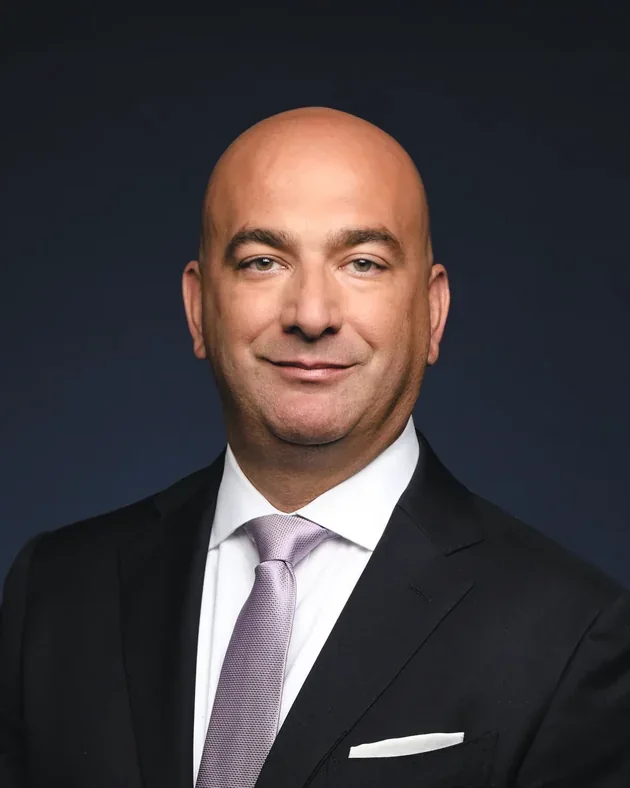
Bedi & Singer has successfully defended clients against criminal antitrust charges. Bedi & Singer takes a limited number of cases so Jonathan Bedi and Dena Singer can work together on strategy.
Bedi & Singer’s federal practice runs from pre-charge investigations through motions, trial, sentencing, and appeal. The aim is to understand the government’s theory early and build the defense around the client’s own conduct and the evidence that can be proved.



Frequently asked questions
I received a grand jury subpoena in an antitrust investigation. Should I respond before speaking with counsel?
You can consult counsel before deciding how to respond. A subpoena may require prompt preservation and production of records, and the way the request is handled can affect later decisions. Counsel can review the subpoena, communicate with prosecutors when appropriate, and help determine what the investigation appears to involve. How a grand jury subpoena is answered is covered on the Grand Jury Subpoenas page.
Does talking with a competitor mean I violated the antitrust laws?
No. Competitors may have lawful reasons to communicate. A criminal antitrust prosecution focuses on whether the government can prove an unlawful agreement and the defendant’s knowing participation in it. The substance and context of the communications matter.
What is antitrust leniency?
The Department of Justice Antitrust Division has leniency programs that can provide non-prosecution protection to qualifying corporations and individuals that self-report cartel activity and fully cooperate. Eligibility is fact-specific and timing can be important, so a person or company considering leniency should obtain advice based on the particular circumstances.
Contact Bedi & Singer
If you have received a grand jury subpoena, been contacted by the FBI or the Antitrust Division, learned that a company investigation involves possible price fixing or bid rigging, or have been charged with a criminal antitrust offense, contact Bedi & Singer.
The earlier Bedi & Singer understands the investigation and the client’s role in the underlying business activity, the sooner it can begin evaluating the evidence and the strategic decisions that may come next.