
Child Pornography and Internet Offense Charges in Illinois
Defense for people investigated or charged in Illinois for child sexual abuse material, the offense formerly called child pornography, and for internet offenses such as solicitation, grooming, and traveling to meet a child.
How a child pornography case begins
These cases begin with a search warrant more often than with an arrest. A report from an internet platform, a download traced to an internet address, or a conversation with someone online leads to a warrant for a home, and officers take every phone, computer, and drive in it. The person is often interviewed on the spot and then left to wait while the devices are examined, which can take months.
Illinois law now calls the offense child sexual abuse material rather than child pornography; the name changed in 2025, the elements did not. The internet offenses charged alongside it, indecent solicitation of a child, grooming, and traveling to meet a child, often come out of undercover conversations in which the child was a police officer.
Bedi & Singer defends people charged with these offenses at the Leighton Criminal Court Building at 26th and California, in Cook County’s suburban courthouses, in the collar counties, and in courts across Illinois. Where the same conduct is charged federally, that is a different case in a different court, and Bedi & Singer handles it as part of its federal practice, described on its Sex Offenses and Internet Offenses page.
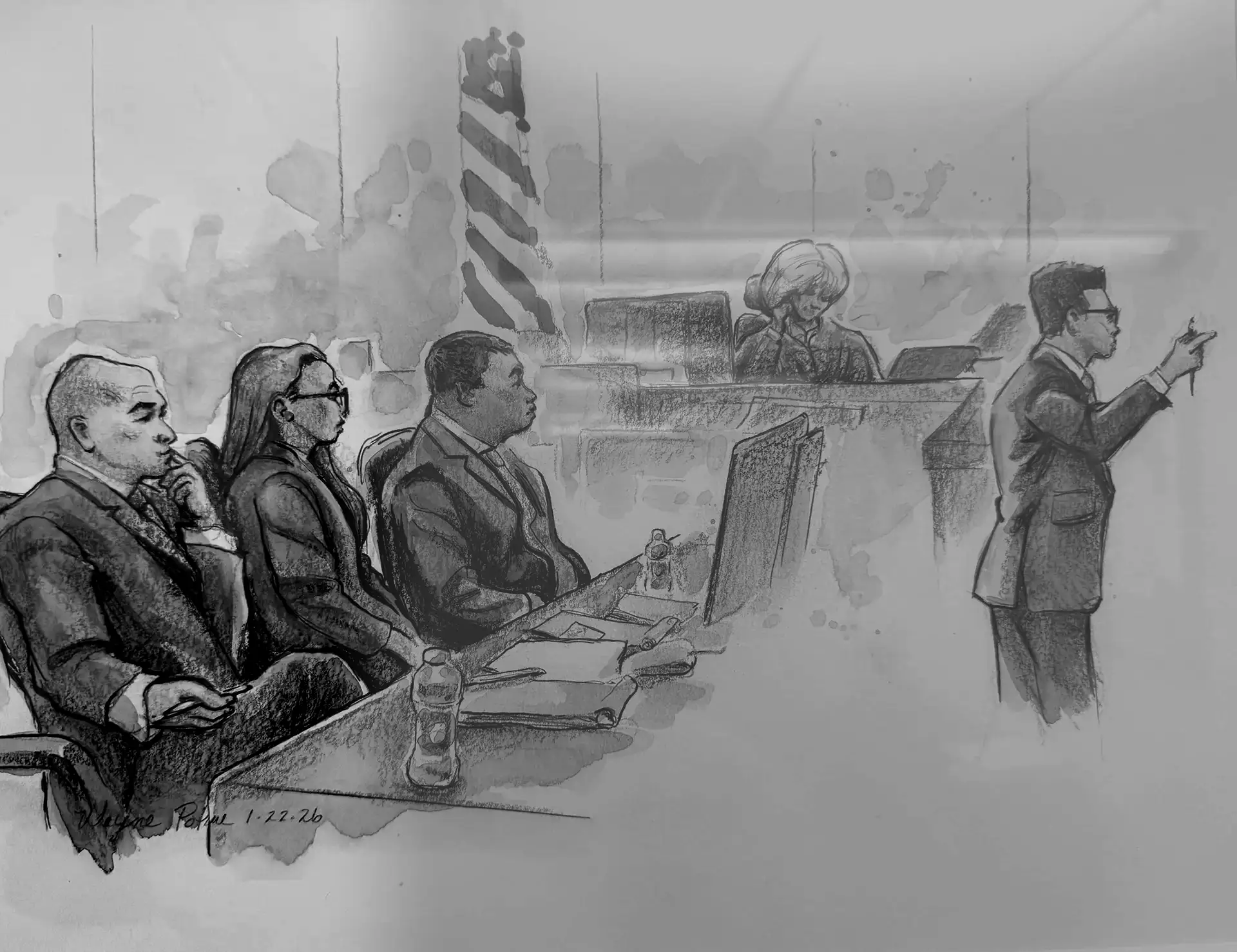
From the bench
“[A]s unlucky as you are to be in this situation, you hit the jackpot because you got a tremendous lawyer to represent you. And she has the backing of a really good law firm too, that’s her and her partner’s. … [Y]ou got an excellent lawyer and you are very fortunate to have her.”
From the bench, April 2025
Child sexual abuse material: what is charged, and what it carries
The statute reaches producing, disseminating, and possessing a visual depiction of a person under 18 engaged in the sexual activity it describes, where the person knew or reasonably should have known the subject was a child (720 ILCS 5/11-20.1). Possession is a Class 3 felony, or Class 2 for video; dissemination and production are Class 1, or Class X for video, and Class X whenever the child depicted is under 13, where possession is a Class 2 felony.
Each distinct image or file possessed is a separate count, so one device can produce dozens of charges. Where the child depicted is under 13, certain prior convictions raise production or dissemination to a 9-year minimum and make possession a Class 1 felony. Probation is barred for production and dissemination, and possible for possession unless the child depicted is a family or household member or a prior conviction bars it. The definition covers images of a real child, including a real child’s image altered to appear sexual. An image that only appears to be of a minor is not child sexual abuse material under this statute: the Illinois Supreme Court held that part of the definition unconstitutional in 2003. Since 2025 an obscene computer-generated or AI image of a child who does not exist is a separate, lesser offense. Every conviction under the statute requires registration as a sexual predator for life.
The State must prove knowledge: that the person knew the nature of the material and knowingly possessed it. Reading the forensic record on that question takes an examiner on the defense side.
Solicitation, grooming, and the undercover conversation
Indecent solicitation of a child is a person 17 or older soliciting a child under 17, or someone the person believes to be one, to perform a sexual act with the intent that a sexual assault offense or aggravated criminal sexual abuse be committed: a Class 1 to Class 3 felony depending on the act intended, whether in person or online, and a separate Class 4 felony for discussing such an act online with that intent (720 ILCS 5/11-6). Grooming, by a person five or more years older than the child or in a position of trust, using the internet, a pattern of conduct, or a third party to lure a child into unlawful sexual conduct, is a Class 4 felony; traveling to meet a child for that purpose after such a conversation is a Class 3 felony. The child in these cases is often an officer, and the statutes allow the charge anyway.
The defense in a sting case starts with the whole conversation, not the excerpts in the complaint: who raised age and who raised sex, what the person was told, what they did when they learned the stated age, and whether the officer’s conduct induced an offense the person was not disposed to commit, which is entrapment under Illinois law. These offenses carry registration as a sex offender for ten years rather than life, unless a prior offense changes that; the ten years start on release from any prison term.
The search, the statement, and detention
The defense starts with the warrant and what it allowed. A warrant built on a platform’s report or a traced internet address may have been stale, overbroad, or short of probable cause, and a statement given in the living room while officers carried out the devices may not have been voluntary. A motion to suppress the search or the statement can take the devices, or the admission, out of the case.
Child sexual abuse material and the internet offenses are charges on which the State can petition to deny pretrial release. The hearing is held at the first appearance, or, if a continuance is granted, within 24 or 48 hours depending on the class of the charge. To hold the person as a danger to others, the State must prove by clear and convincing evidence that the case against the person is strong, that the person poses a real and present threat, and that no release conditions can address it. Release, when granted, usually comes with no unsupervised internet access and no contact with minors, conditions that reach work and family at once.
Both partners lead the defense on every case
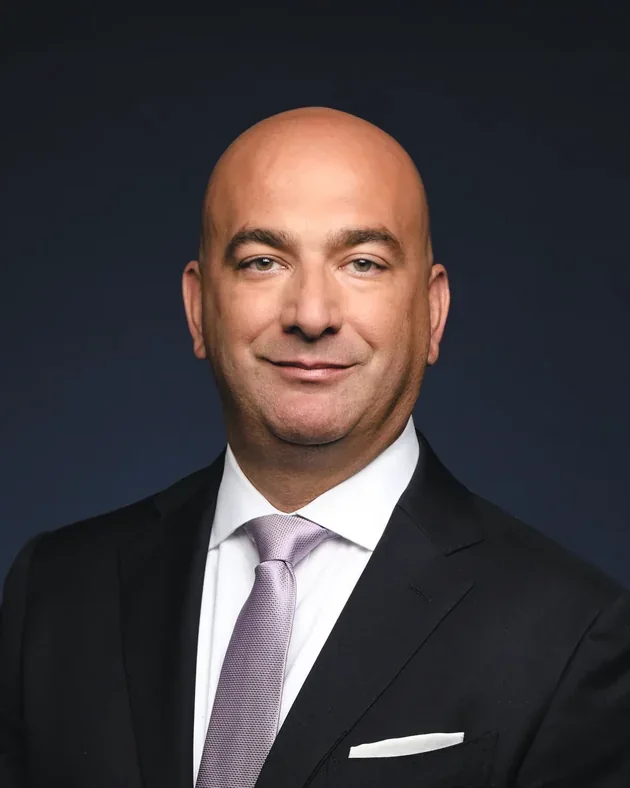
Jonathan Bedi and Dena Singer work on Bedi & Singer’s child sexual abuse material and internet offense cases together. Every case is prepared as one that may be tried.
These cases carry the heaviest stigma in criminal law and are often the first charge a person has faced. Bedi & Singer keeps the client and the people close to them informed about what is happening and why, from the day of the search on, and handles the case with the discretion it requires.


Representative matters
-
Possession of child pornography, Cook County, 2025
Bedi & Singer represented a client facing multiple counts of possession of child pornography in Cook County, Illinois. The client pleaded guilty and received sex-offender probation in 2025.
-
Distribution of child pornography, Cook County, 2026
Bedi & Singer represented a client facing multiple counts of distribution of child pornography in Cook County, Illinois. The client pleaded guilty and received sex-offender probation in 2026.
Prior results do not guarantee a similar outcome.
Frequently asked questions
Police searched my home and took my devices but did not arrest me. What happens now?
The devices go to a forensic laboratory, and the examination can take months. If it finds material the State believes is child sexual abuse material, charges follow, by summons or by warrant. In between, a lawyer can learn what the warrant was based on, stop any further interview, preserve the account and device history that explains innocent access, and prepare for the detention hearing that comes with a charge. Nothing should be deleted or replaced; that can be charged separately.
Can I be charged for images I did not know were on my computer?
Only if the State can prove knowledge. Possession under the Illinois statute requires knowledge of the nature of the material, and a file that arrived through a shared folder, an automated download, a cache, or another user of the device raises that question directly. Whether the person knew is answered by the forensic record: when the file arrived, whether it was opened, moved, or named, and what else the device shows.
Is child pornography a state or a federal charge?
It can be either, and the same material can be charged in both. Federal prosecutors tend to take cases involving distribution, production, or activity across state lines, and federal receipt, distribution, and production charges carry mandatory minimums; the State charges the rest in county court. Which court the case lands in shapes everything from detention to sentence. Bedi & Singer handles both; the federal case is described on its Sex Offenses and Internet Offenses page.
Contact Bedi & Singer
If your home has been searched, your devices seized, or you have been contacted by police about online material or an online conversation, contact Bedi & Singer before any further interview. The forensic examination is under way, and the defense should be too.