
Insider Trading Defense
Defense for executives, professionals, employees, and tippees facing SEC and criminal insider trading investigations and charges, nationwide.
How an insider trading case begins
An insider trading investigation can begin with a trade that looks ordinary to the person who made it. The SEC may ask about a transaction that occurred before an earnings announcement, acquisition, regulatory development, major contract, or other corporate event.
A company may begin an internal review, federal agents or prosecutors may become involved, and the investigation may expand to emails, text messages, trading records, brokerage accounts, and communications with family members or business associates.
Bedi & Singer represents individuals in complex federal white-collar investigations and prosecutions, including insider trading matters, which can involve parallel investigations by the U.S. Attorney’s Office and the Securities and Exchange Commission.
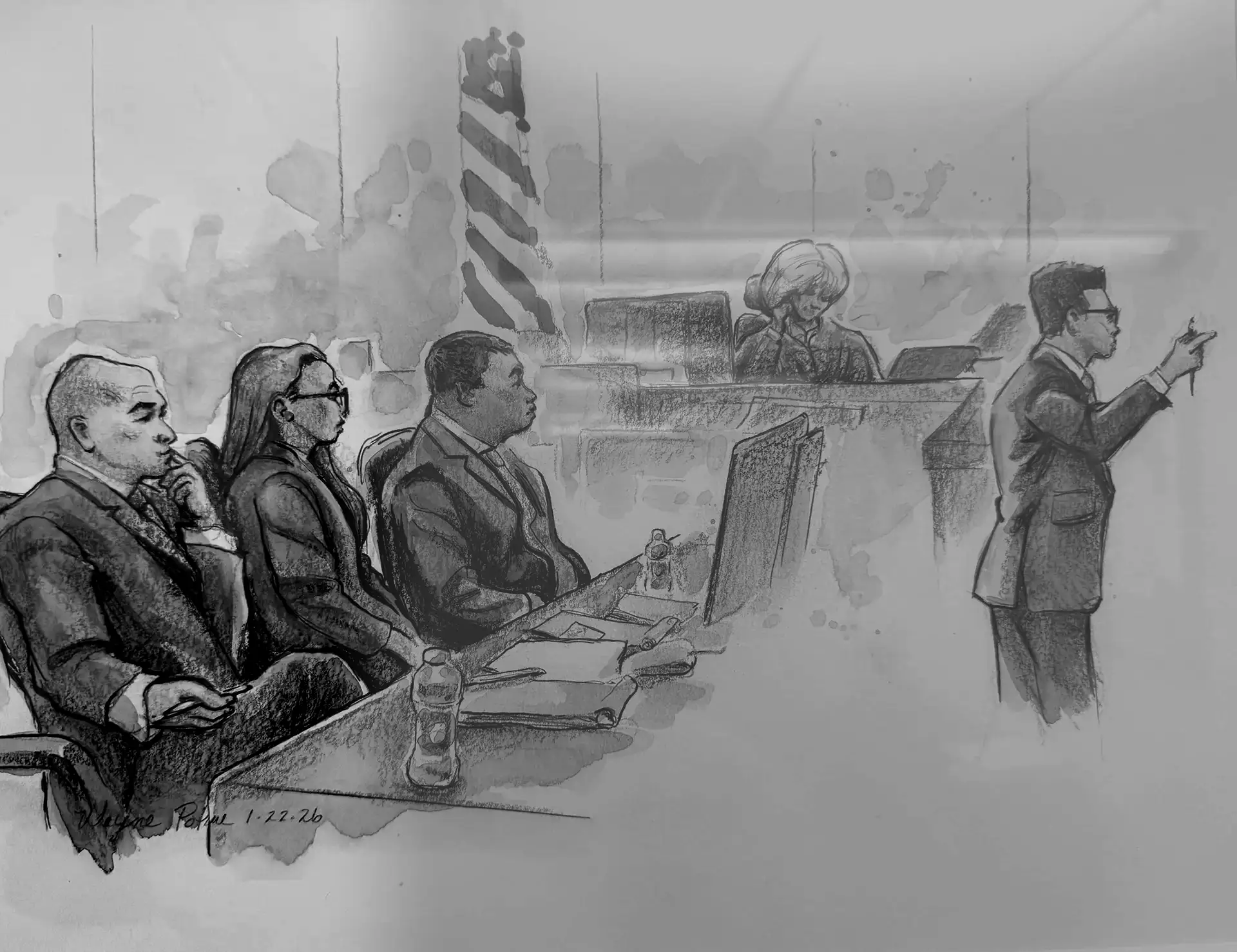
From the bench
“I’ve had experience with pretty much every criminal lawyer who works in this building and some who don’t. … [Y]ou are not going to get anybody better than these two people. And I know, because I have had experience with them in other cases, that they are going to fight like heck for you.”
From the bench, September 2024
What federal insider trading law focuses on
Illegal insider trading generally involves buying or selling a security in breach of a fiduciary duty or another relationship of trust and confidence while aware of material nonpublic information. The theory can also reach tipping, trading by a person who received the tip, and trading by someone who misappropriated confidential information.
That is why the term insider can be misleading. A corporate officer or director may be investigated, but so may an employee, consultant, lawyer, banker, accountant, friend, relative, or other person who obtained confidential information through a relationship or professional role.
Materiality is fact-specific. Information can be material when a reasonable investor would consider it important in deciding whether to buy, sell, or hold a security.
How an insider trading investigation develops
Investigators may reconstruct a timeline around both the information and the trades, using brokerage records, emails, messages, call records, calendars, and company documents to determine when information was learned and who communicated with whom.
A suspicious-looking sequence is not itself the legal test. The defense may turn on details that are easy to overlook:
- Was the information actually nonpublic at the time?
- When did the person first learn it?
- Had the person already planned the trade?
- What was the relationship between the alleged tipper and tippee?
- Did the communication include the information the government claims it did?
- Does the trading pattern have an innocent explanation?
Parallel SEC and criminal investigations
The SEC can investigate and pursue civil enforcement, while the Department of Justice may pursue criminal securities-fraud charges arising from the same alleged conduct. A response to an SEC subpoena, testimony request, internal company inquiry, or document demand may matter to a criminal investigation as well.
Early representation can be valuable even when no criminal charge has been filed. Counsel can help determine the apparent scope of the investigation, identify the relevant trading and communication records, and evaluate the government’s theory before the client makes decisions that may be difficult to undo.
Both partners lead the defense on every case
Jonathan Bedi and Dena Singer work together on Bedi & Singer’s cases and remain involved in major strategic decisions rather than handing a matter to another lawyer. Bedi & Singer represents executives, professionals, business owners, and other individuals in investigations and prosecutions involving financial fraud, wire fraud, conspiracy, internal investigations, and other complex federal allegations.
The defense should be built around the client’s own conduct and evidence: what the client knew, how the information was obtained, what was communicated, why a trade occurred, and whether the government can prove the specific theory it is pursuing.




Frequently asked questions
Can someone who is not an employee or officer be charged with insider trading?
Yes. Insider trading theories can reach people outside the company, including tippees and people accused of misappropriating material nonpublic information obtained through a relationship of trust or confidence. The source of the information and the relationship among the participants can be central to the analysis.
What counts as material nonpublic information?
There is no single list. Information is generally considered material when a reasonable investor would view it as important to an investment decision, and nonpublic when it has not been broadly disseminated to the market. The particular facts, timing, and context matter.
Contact Bedi & Singer
If the SEC, a U.S. Attorney’s Office, the FBI, your employer, or company counsel has contacted you about securities trades or material nonpublic information, contact Bedi & Singer.
Early review can help identify the investigative theory, preserve and organize the relevant communications and trading records, and coordinate decisions when civil, criminal, and internal proceedings may overlap.