
Sentencing and Resentencing in Chicago and Across Illinois
Representation at sentencing and resentencing hearings in Cook County and across Illinois, from the presentence report through the hearing and the motion to reconsider.
What a sentencing hearing decides
A plea or a verdict settles what a person was convicted of. The sentencing hearing settles what happens next, within the range the law sets: prison or probation, and how many years. The judge who took the plea or presided at the trial ordinarily imposes the sentence, and in a felony case the law requires a written presentence report first, unless, with exceptions, both sides have agreed on a specific sentence.
The range is set by the charge and, in some cases, the prior record; where the sentence lands inside it is not. The hearing is the one proceeding in the case that is about the person rather than the evidence.
Bedi & Singer represents people at sentencing at the Leighton Criminal Court Building at 26th and California, in Cook County’s suburban courthouses, in the collar counties, and in courts across Illinois. Sentencing in federal court follows different rules and is handled in Bedi & Singer’s federal practice.
From a client
“They did an amazing job representing me in my criminal case and continued to support and represent me even after I entered my plea, which meant a great deal to me.”
The presentence report, and what the judge considers
Before the hearing a probation officer interviews the person and writes a presentence report: criminal history, health, family, education, work, finances, the effect of the offense on the victim, and, where appropriate, a plan for a sentence other than prison. The judge reads it first, and it follows the person into the Department of Corrections, so Bedi & Singer prepares the client for the interview and corrects the report in court where it is wrong.
At the hearing the court considers the evidence from the trial, the report, and what each side offers in aggravation and mitigation, hears argument on the alternatives, and gives the person a chance to speak. The victim of a violent crime may make a statement and is not cross-examined. Illinois law lists the factors that weigh toward a lighter sentence, among them no prior record, a provocation, circumstances unlikely to recur, a serious mental illness and the needs of the person’s child, and the factors that weigh the other way, among them harm caused or threatened, a prior record and a felony committed on release or probation for an earlier felony. In a violent-crime case the judge must state the reasons for the sentence on the record.
The defense case is built from that list: records, letters, treatment history, work, the people who will speak for the person and, where it helps, an expert’s report. Where probation is available, the law tells the court to impose probation or conditional discharge unless prison is needed to protect the public or a sentence without prison would make light of the offense and be inconsistent with justice. Where the charge carries a mandatory prison term, the argument is usually about the number of years and the rest of the order: credit for time in custody, a recommendation for treatment, and whether sentences on several counts run concurrently.
After the sentence: the motion to reconsider, and resentencing
A sentence can be challenged in the court that imposed it, by a written motion filed generally within 30 days of the sentencing. The motion asks the judge to reduce the sentence or correct an error in the hearing, and the court cannot increase the sentence. An issue left out of the motion is generally lost on appeal. After a guilty plea negotiated on the sentence, an appeal claiming the sentence is excessive requires a timely motion to withdraw the plea instead.
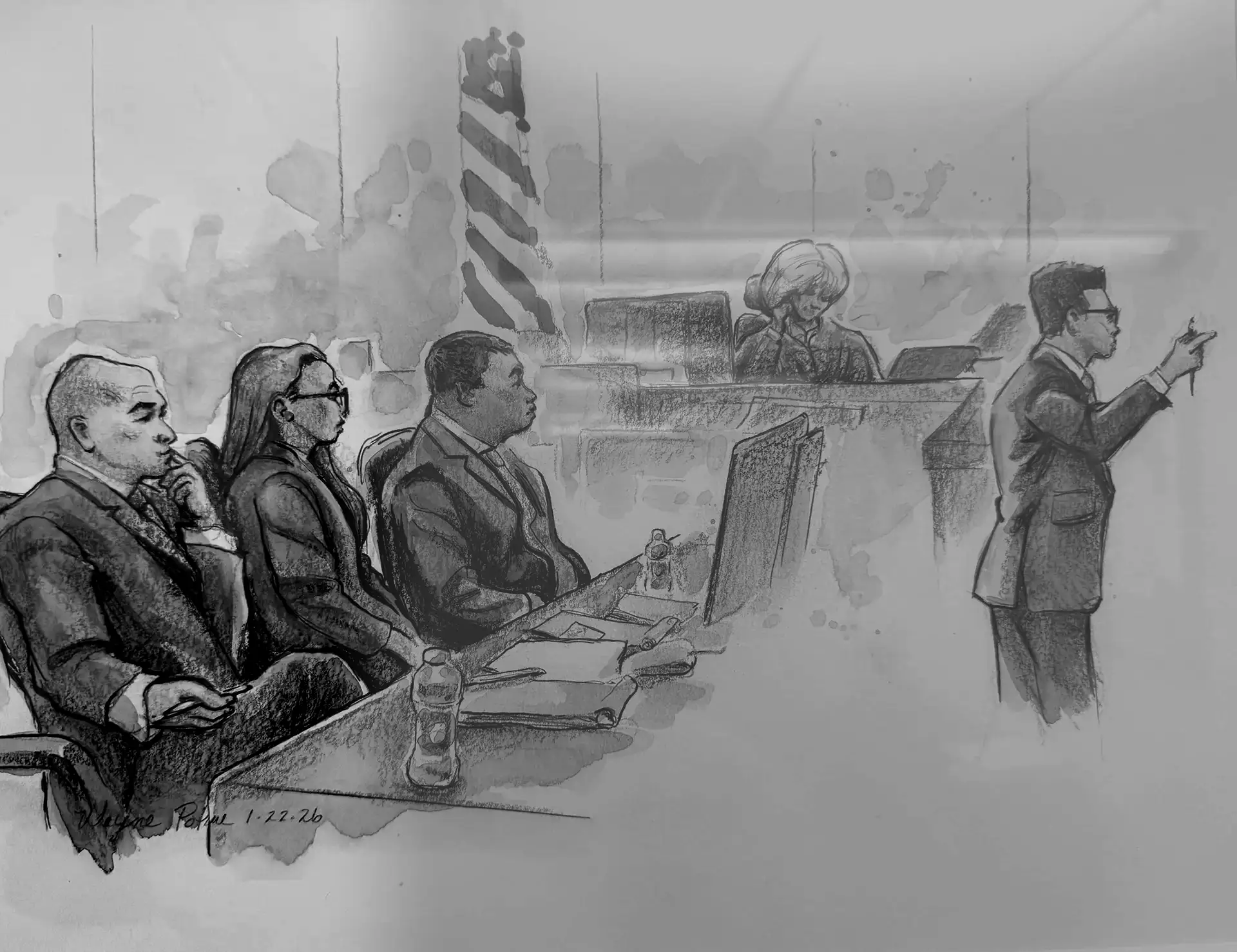
Years later, a sentence can be revisited in several ways. An appellate court or a post-conviction court can send a case back for a new sentencing hearing. Since 2022 the State’s Attorney of the county of conviction may petition the sentencing court to resentence a person whose original sentence no longer serves the interests of justice; the court may consider conduct and rehabilitation in prison, age, time served, health and changed circumstances, and the new sentence cannot be longer than the original. At a sentencing or resentencing hearing held since 2016 for an offense committed under 18, the court must weigh the factors of youth, and many people sentenced since June 2019 for an offense committed under 21 are eligible for parole review after 10 years, after 20 for first degree murder or aggravated criminal sexual assault, and after 40 on some murder sentences. Clemency from the Governor remains for the cases the courts cannot reach. Bedi & Singer has represented clients at resentencing hearings in Cook County; the other routes to relief are described on the Post-Convictions page.
Both partners lead the defense on every case
Jonathan Bedi and Dena Singer handle Bedi & Singer’s sentencing hearings together whether Bedi & Singer tried the case or came into it after the plea. The client and the family are part of that preparation: who speaks, what the judge should know, and what the sentence will mean.




Representative matters
-
Resentencing after a life sentence, Cook County, 2023
The client received a life sentence in 2000. Bedi & Singer represented him at resentencing, where the court imposed 28 years, and the client was released.
- Cook County, Illinois
- Resentencing
- 2023
-
Resentencing, Cook County, 2026
The client had been sentenced to 40 years. At resentencing, Bedi & Singer represented the client, who was resentenced to 27 years, and the client was released.
- Cook County, Illinois
- Resentencing
- 2026
Prior results do not guarantee a similar outcome.
Frequently asked questions
What happens at a sentencing hearing in Illinois?
The judge hears from both sides and decides the sentence within the range the charge carries. Before the hearing a presentence report is prepared on the person’s history and circumstances. The court considers that report, the evidence from the trial, and what the State and the defense present in aggravation and mitigation; the victim of a violent crime may make a statement; the person may address the court. The judge then imposes the sentence and, in a violent-crime case, states the reasons for it on the record.
Can a sentence be reduced after it has been imposed in Illinois?
Sometimes. Within 30 days of the sentencing, generally, the defense can file a motion asking the judge to reduce or correct the sentence; the court cannot increase it. After a guilty plea negotiated on the sentence, a challenge to the sentence as excessive takes a motion to withdraw the plea. After that come the appeal; resentencing, on a reviewing court’s order or on the State’s Attorney’s petition where the original sentence no longer serves the interests of justice; and commutation by the Governor through the Prisoner Review Board. Each route has its own requirements and exceptions.
How much of a prison sentence is actually served in Illinois?
It depends on the offense. For most offenses, a person earns a day of credit for each day served, so the sentence is served at 50 percent unless credit is taken away, and more credit can be earned. A list of offenses, among them attempted murder, aggravated battery with a firearm and the sexual assault felonies, requires at least 85 percent, and so do a few others, such as armed robbery, where the judge found that the offense caused great bodily harm. Some serious drug offenses are served at 75 percent, or as little as 60 percent with credit for prison programs. First degree murder and a natural life sentence earn no sentence credit and are served in full, unless the person was under 21 at the offense and qualifies for parole review. Time in custody on the charge before sentencing, including on home detention, is credited against the sentence, though time held because parole, supervised release or probation in an earlier case was revoked generally is not; the Department of Corrections does the calculation.
Contact Bedi & Singer
If you or someone in your family has pleaded guilty or been found guilty and a sentencing date has been set, or is serving a sentence that may be open to resentencing, contact Bedi & Singer. The presentence interview comes first, and the record that decides the sentence is built in the weeks before the hearing.