
Ponzi Scheme Defense
Defense for founders, executives, salespeople, employees, and professionals facing SEC and criminal investigations and charges tied to alleged Ponzi schemes, nationwide.
How a Ponzi scheme case begins
A suspected Ponzi scheme can trigger several problems at once. Investors may demand their money back, and the SEC may issue a subpoena or seek emergency relief. Federal agents may begin interviewing employees or investors, and a grand jury investigation can develop while civil regulators are already examining the same transactions.
‘Ponzi scheme’ is a description of an alleged investment fraud, not a standalone federal criminal charge. The criminal case may instead involve wire fraud, mail fraud, securities fraud, money laundering, conspiracy, false statements, or related offenses.
Bedi & Singer represents clients whom the government has accused of involvement in Ponzi schemes, as part of a white-collar practice that includes financial fraud, mail and wire fraud, money laundering, conspiracy, and other complex federal matters.
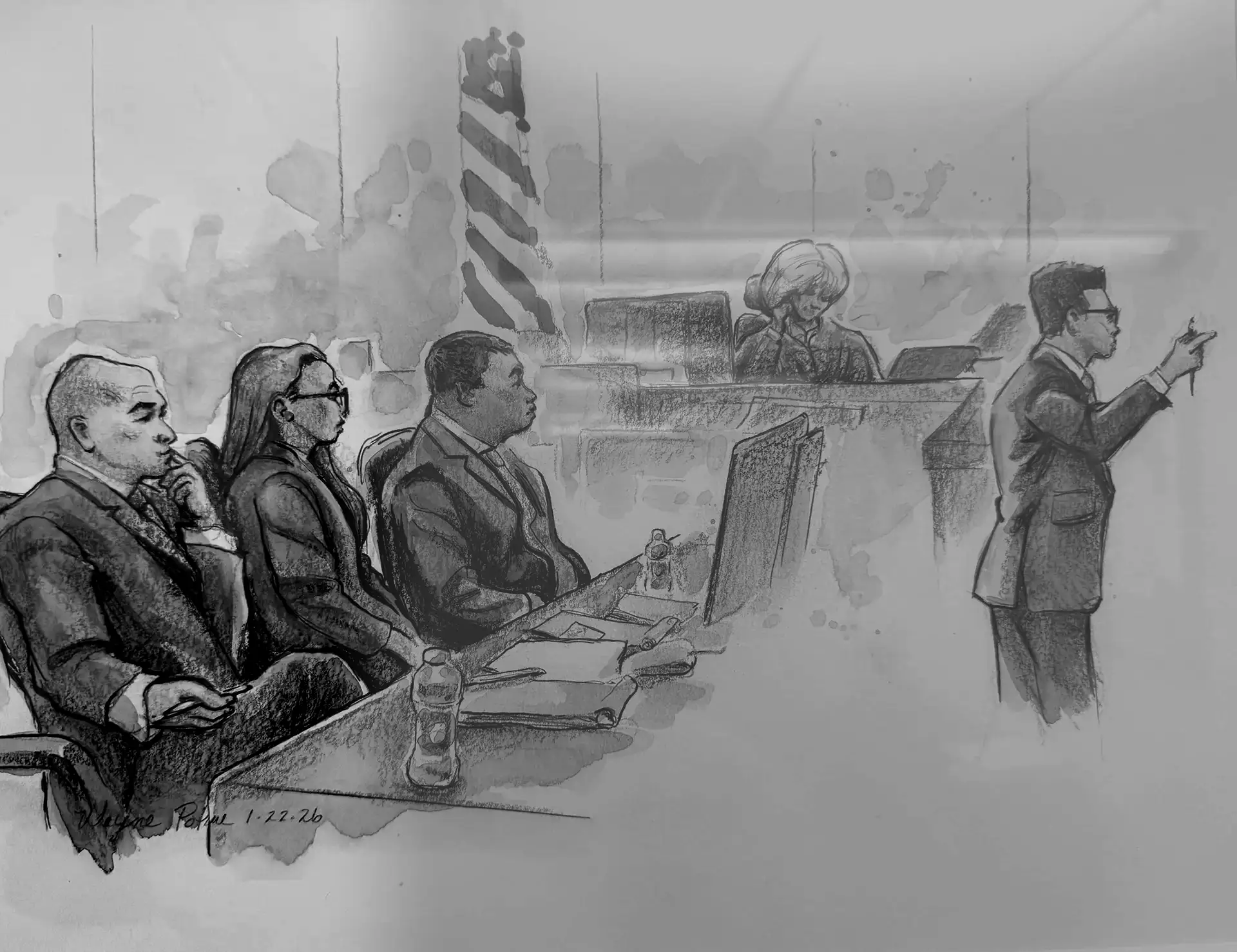
From the bench
“I’ve had experience with pretty much every criminal lawyer who works in this building and some who don’t. … [Y]ou are not going to get anybody better than these two people. And I know, because I have had experience with them in other cases, that they are going to fight like heck for you.”
From the bench, September 2024
What the government means by a Ponzi scheme
The SEC describes a Ponzi scheme as an investment fraud in which money from new investors is used to pay purported returns to earlier investors rather than returns generated by legitimate investment activity. These schemes often are alleged to involve promises of unusually high or consistent returns, misleading account information, misuse of investor funds, or difficulty meeting withdrawal requests.
That definition describes the government’s theory. It does not answer who knew what. The person who created an investment program, someone who solicited investors, an employee who processed transactions, and a professional who provided services may all appear in the same records without having the same knowledge or intent.
The defense must focus on the individual’s actual conduct and state of mind, not the government’s characterization of the overall enterprise.
Ponzi allegations often produce parallel civil and criminal proceedings
The SEC may investigate while the Department of Justice, FBI, IRS Criminal Investigation, or other agencies pursue a criminal case. The SEC may seek civil injunctions, monetary relief, an asset freeze, or appointment of a receiver in appropriate cases, while prosecutors may pursue charges such as wire fraud, conspiracy, securities fraud, or money laundering based on the same or overlapping conduct.
Documents, testimony, statements, and positions taken in a civil or regulatory matter can affect the criminal investigation. Even before charges, access to funds may be restricted, records may be taken into custody, and employees and investors may be contacted.
Bedi & Singer represents targets, subjects, and witnesses in federal investigations and advises clients in responding to subpoenas. Early work may include identifying the agencies involved, preserving financial and electronic records, tracing investor funds, evaluating the client’s role, and deciding how to respond to investigators. Not every investigation leads to an indictment.
The money trail is important, but it is not the entire case
Investigators may trace investor deposits, distributions, commissions, transfers between accounts, business expenses, personal expenditures, loan payments, and communications about investment performance. Those records still require interpretation. Issues may include:
- What representations were actually made to investors, and by whom?
- Did the client know those representations were false?
- How were investor funds supposed to be used, and how were they actually used?
- Did legitimate business activity, assets, or revenue exist?
- Who controlled bank, brokerage, or cryptocurrency accounts?
- Did the client rely on accountants, partners, administrators, or other professionals?
- Did a salesperson, employee, or professional understand the broader financial condition of the enterprise?
- Do cooperating witnesses have incentives to minimize their own responsibility?
- Can financial records, electronic evidence, searches, statements, or seizures be challenged?
Both partners lead the defense on every case
Jonathan Bedi and Dena Singer work on Bedi & Singer’s cases together, discussing investigative strategy, motions, evidence, witness issues, negotiations, and trial preparation. Clients are kept informed about what the lawyers are doing and why.
In a complex fraud case, financial records and investor testimony ultimately must be translated into a theory that can withstand scrutiny in court. Preparing with that possibility in mind can shape how evidence is investigated, how witnesses are evaluated, and how the government is challenged from the beginning.




Frequently asked questions
Is “Ponzi scheme” a specific federal criminal charge?
No. It is a term used to describe a type of alleged investment fraud. Criminal charges may include wire fraud, mail fraud, securities fraud, conspiracy, money laundering, or other offenses depending on the conduct alleged.
Can the SEC and federal prosecutors investigate the same investment activity?
Yes. SEC civil enforcement and a federal criminal investigation can proceed at the same time or involve overlapping facts. Statements and document productions in one proceeding may affect the other, which is why the response should be coordinated.
If I worked for the business but did not control the money, can I still be investigated?
Yes. Investigators may examine the roles of employees, salespeople, executives, professionals, and others associated with the business. Criminal liability, however, depends on the elements of the charged offense and the evidence concerning that individual’s own conduct, knowledge, and intent.
Contact Bedi & Singer
If you have received a subpoena, been contacted by the SEC or federal agents, learned that investors or business partners are being interviewed, or are facing criminal charges arising from an alleged Ponzi scheme, contact Bedi & Singer.
Bedi & Singer can begin evaluating the government’s theory, the flow of funds, the client’s individual role, and the decisions that may need to be made before the investigation advances further.