
Environmental Crimes & Violations
Defense for executives, managers, operators, and environmental professionals facing federal environmental criminal investigations and charges.
How an environmental case begins
An environmental criminal investigation may begin with an EPA inquiry, a grand jury subpoena, a search warrant, a spill or discharge investigation, questions about permits or monitoring reports, or employee interviews after a regulatory inspection. For an executive, owner, manager, engineer, operator, or environmental professional, the shift from regulatory scrutiny to criminal investigation can happen quickly.
The government may be examining what happened at a facility, what a permit required, what employees knew, whether records were accurate, and who made or approved the decisions behind the alleged violation.
Bedi & Singer’s white-collar practice includes environmental violations.
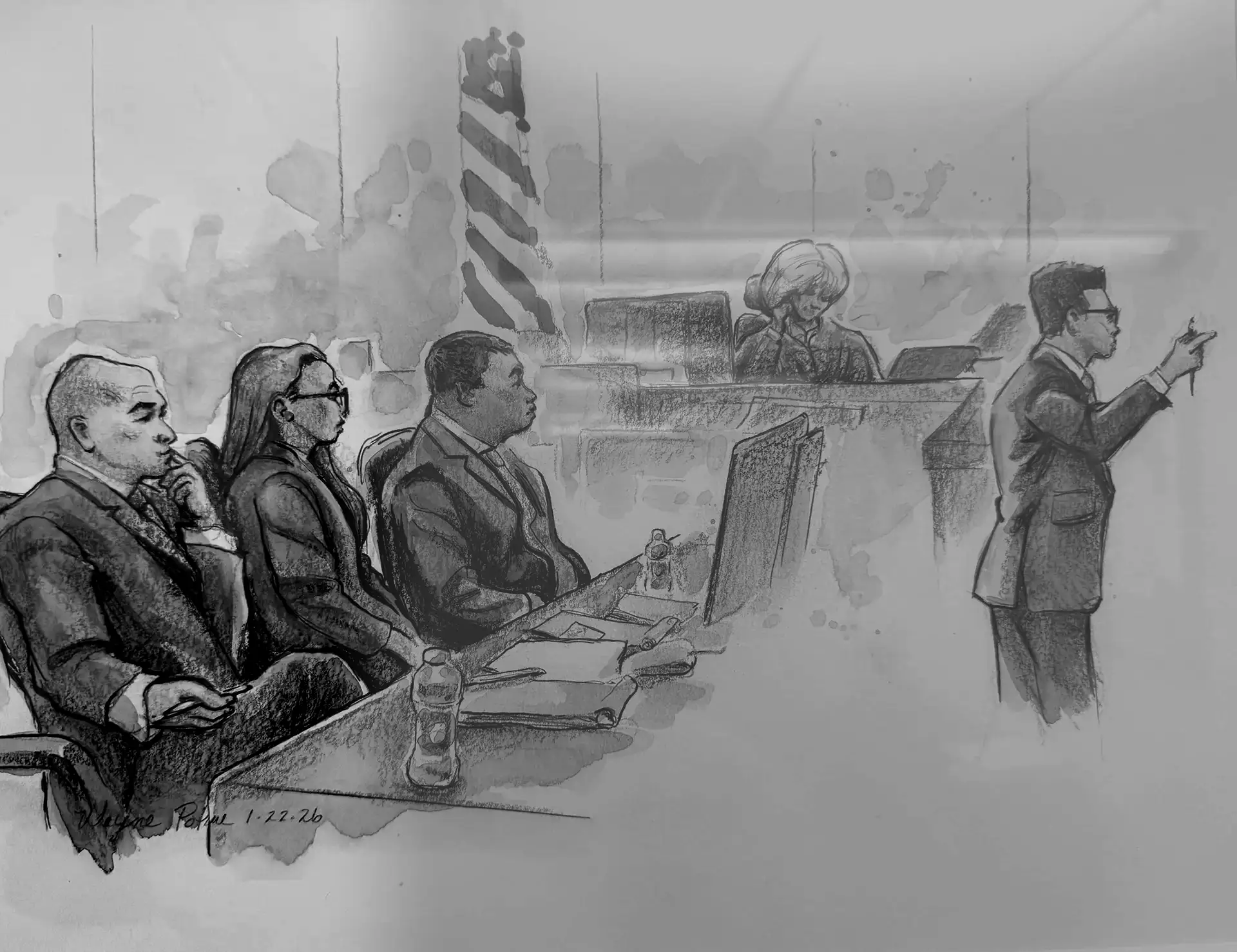
From the bench
“[A]s unlucky as you are to be in this situation, you hit the jackpot because you got a tremendous lawyer to represent you. And she has the backing of a really good law firm too, that’s her and her partner’s. … [Y]ou got an excellent lawyer and you are very fortunate to have her.”
From the bench, April 2025
When a regulatory problem becomes a criminal case
Federal environmental laws can be enforced civilly, administratively, or criminally. A permit problem, reporting error, accident, or compliance dispute is not automatically a criminal offense.
The EPA explains that criminal environmental liability generally involves a negligent, knowing, or willful violation, depending on the statute, and that most environmental crimes it investigates involve knowing violations. A corporate title does not by itself establish what a person knew, what authority the person had, or whether the conduct was intentional.
A company may face regulatory demands, remediation obligations, civil enforcement, permit consequences, or administrative action while individuals are investigated criminally. The company’s interests and an individual’s may not always be identical, particularly when investigators are asking who made decisions, who approved reports, or who knew about alleged noncompliance.
Knowledge, responsibility, and the actual chain of decisions
Environmental cases can involve many people with different responsibilities. Operators may collect data, consultants may interpret permit requirements, managers may approve expenditures, environmental staff may prepare reports, and executives may receive summaries rather than underlying technical information.
The Department of Justice Environmental Crimes Section prosecutes cases under the Clean Air Act, Clean Water Act, and other federal statutes, often with EPA criminal investigators, the FBI, and other agencies. Depending on the allegations, the evidence may include:
- Permits, applications, monitoring reports, and compliance certifications
- Sampling results, laboratory records, manifests, and waste records
- Maintenance logs, operating data, and emissions or discharge records
- Emails, text messages, internal reports, and employee complaints
- Photographs, inspection records, and physical samples
- Testimony from employees, contractors, consultants, regulators, or cooperating witnesses
The defense may require reconstructing who knew what and when, who had authority to act, what advice was received, what corrective measures were attempted, and whether the government is attributing one person’s conduct or knowledge to another. Sampling methodology, permit language, operating conditions, or scientific interpretation may also affect whether the government’s account of the conduct is accurate.
False statements and obstruction can create separate exposure
An environmental investigation does not necessarily stay limited to the underlying environmental statute. EPA notes that criminal investigations may uncover allegations of false statements, fraud, or conspiracy. An interview statement, a certification submitted to an agency, or a document created after an incident can become part of the government’s theory.
Early counsel can help preserve records, identify the scope of the inquiry, coordinate responses, and advise the client before interviews or submissions are made.
Both partners lead the defense on every case
Dena Singer has successfully defended clients charged with environmental violations. Jonathan Bedi and Dena Singer work together on Bedi & Singer’s cases, with associates contributing where their involvement advances the defense, from the investigative stage through motions, trial, sentencing, and appeal.
In an environmental case, the defense may require technical experts, careful witness preparation, analysis of agency records, challenges to searches or statements, and a clear separation between a regulatory violation and conduct the government can prove was criminal.




Representative matters
-
EPA investigation of a plant manager, concluded in 2020
Bedi & Singer represented a plant manager in an EPA investigation that continued for several years. The investigation concluded in 2020 without charges.
Prior results do not guarantee a similar outcome.
Frequently asked questions
EPA agents want to interview me. Do I have to speak with them immediately?
You can consult counsel before deciding whether and how to respond. An interview may become important evidence in a criminal investigation. Counsel can communicate with investigators, help determine the scope of the inquiry, and advise you before any interview takes place.
Does an environmental violation automatically mean someone committed a crime?
No. Environmental laws can impose civil, administrative, and criminal consequences, and the required mental state varies by statute. Criminal liability generally requires proof beyond the existence of a regulatory violation itself.
Can an environmental case involve both the company and individual employees?
Yes. Investigations can examine corporate conduct and the conduct of individual executives, managers, operators, or employees. The relevant questions include each person’s knowledge, authority, actions, and role in the alleged violation.
Contact Bedi & Singer
If you have been contacted by EPA criminal investigators, received a subpoena, learned that an environmental compliance matter has been referred for criminal investigation, or have been charged with an environmental offense, contact Bedi & Singer.
Early review can help separate the technical compliance issues from the criminal allegations and identify what the government can actually prove about the client’s own conduct and knowledge.